What Playing Division Three Basketball Taught Me About Leadership
Leadership Lessons, Vol. 1
This post kicks off a series where I reflect on what I’ve learned as an executive coach, consultant, and leadership development strategist.
I’ll cut to the chase. In March, Denison women's basketball won a national championship. You read that right. A national championship.
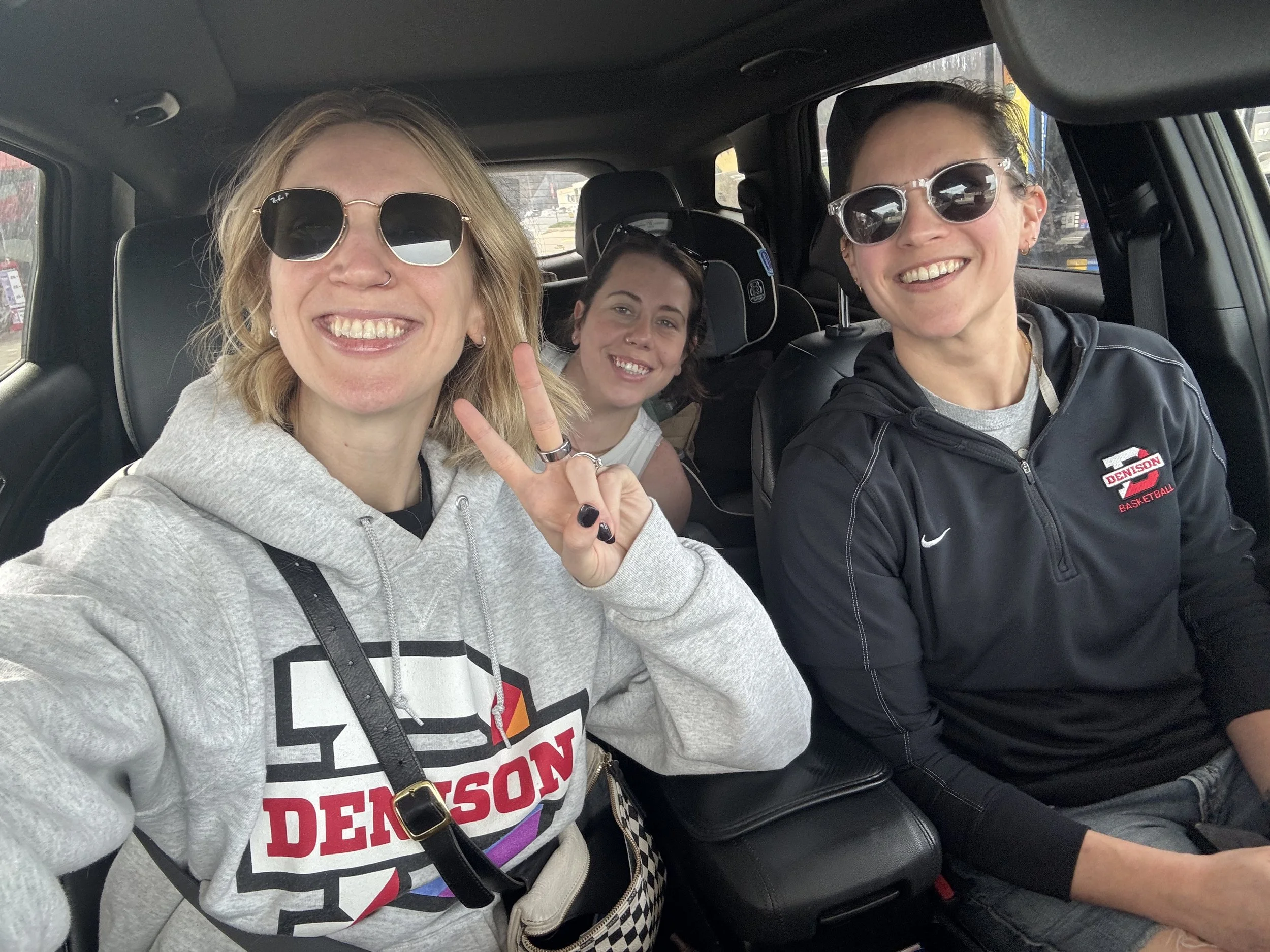
I made a game-time decision to drive to the game with a few other alumni. The experience was something I’ll never forget. I cheered my heart out, lost my voice, and got to celebrate with the team after they won.
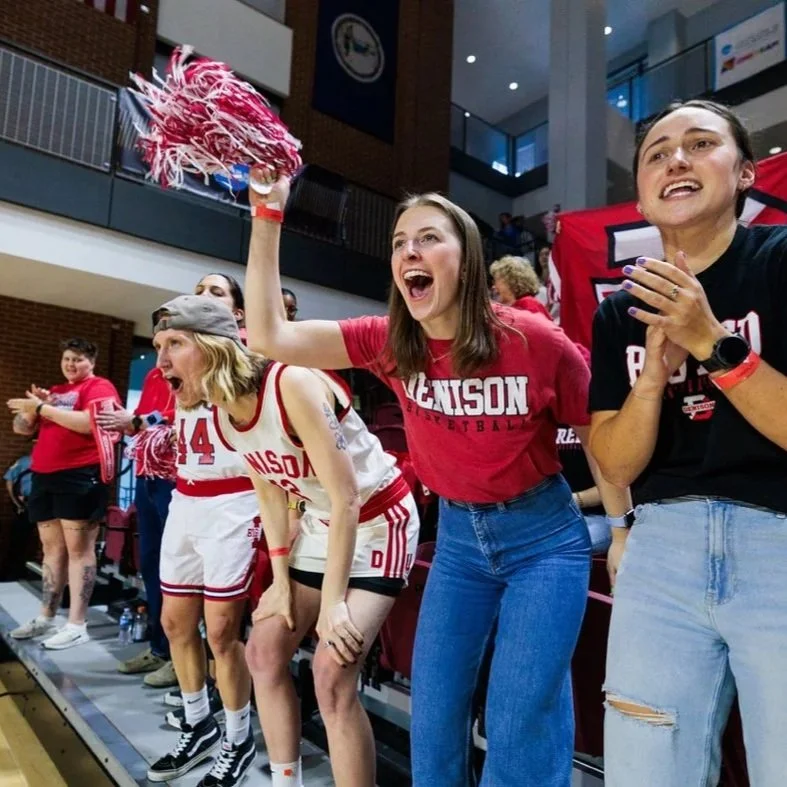
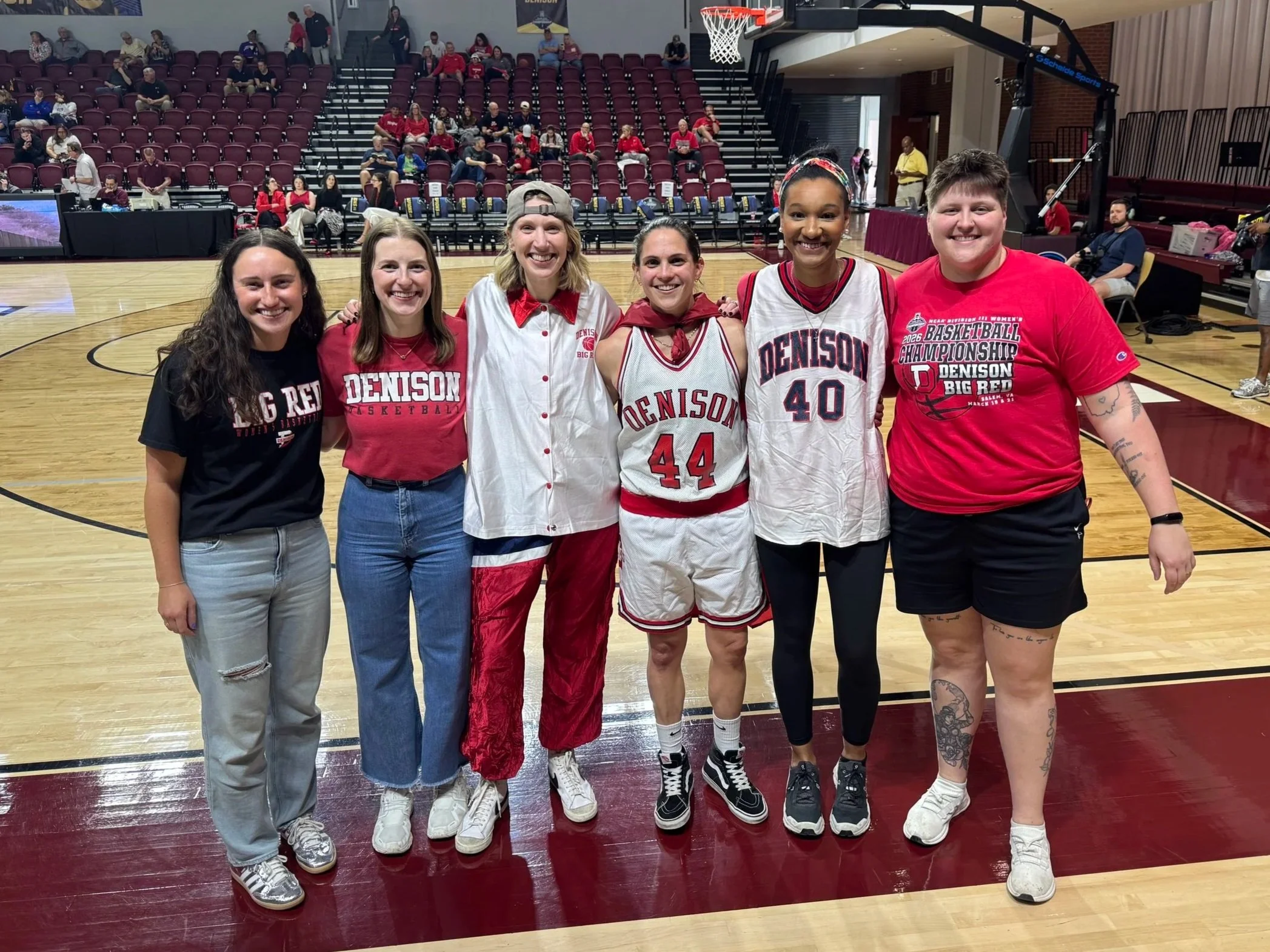
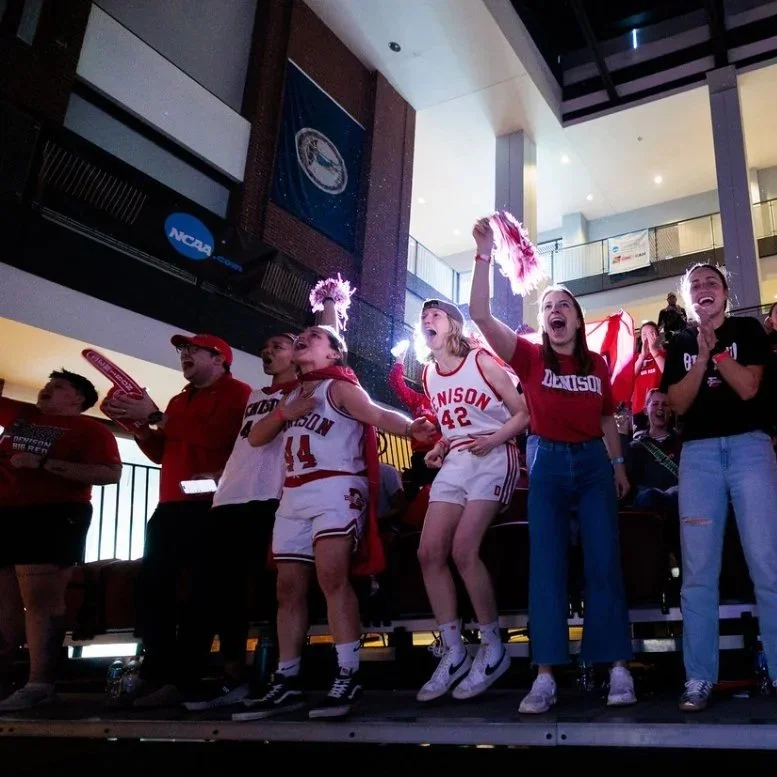
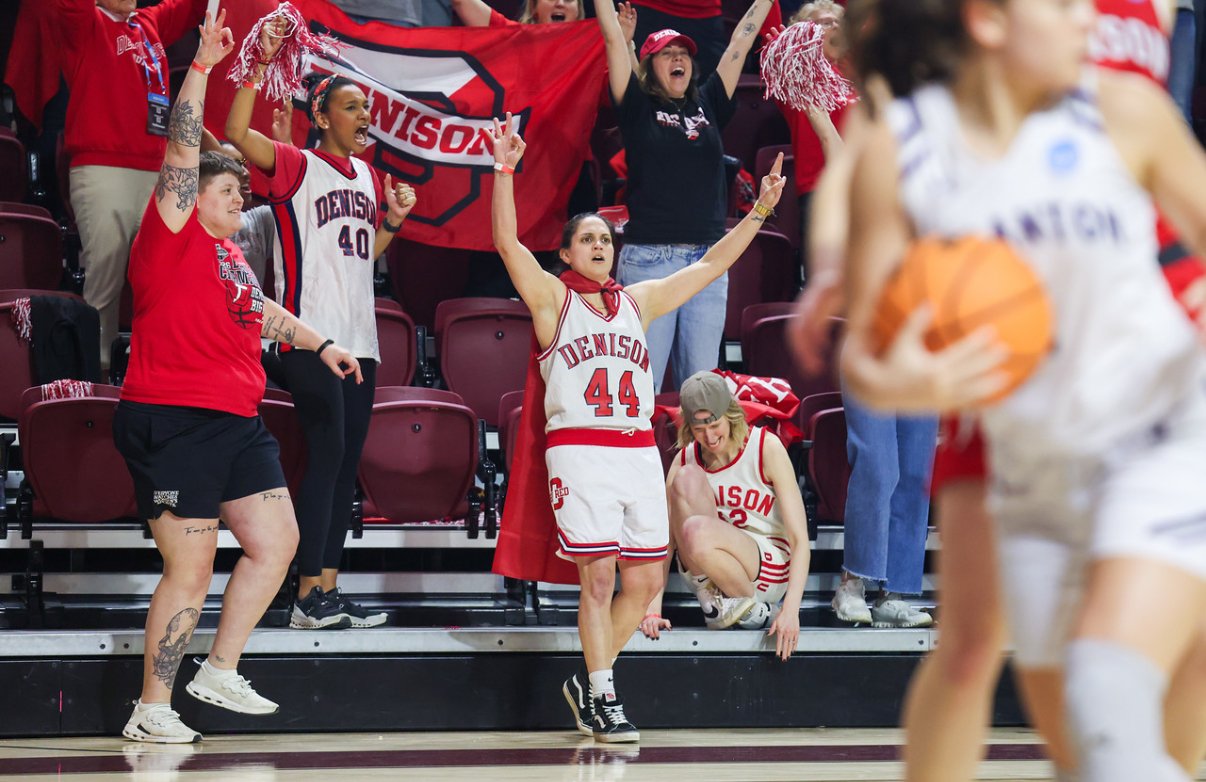
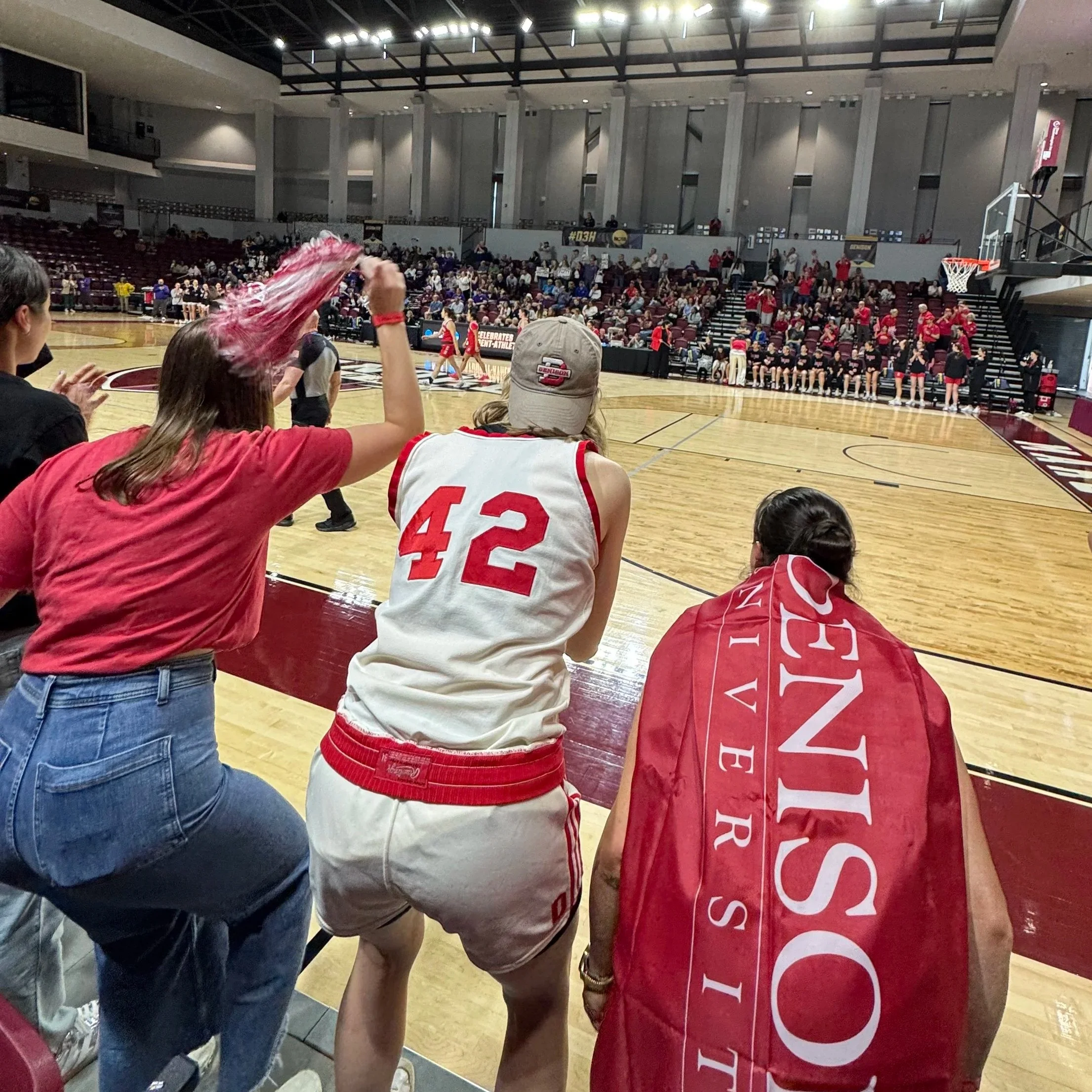
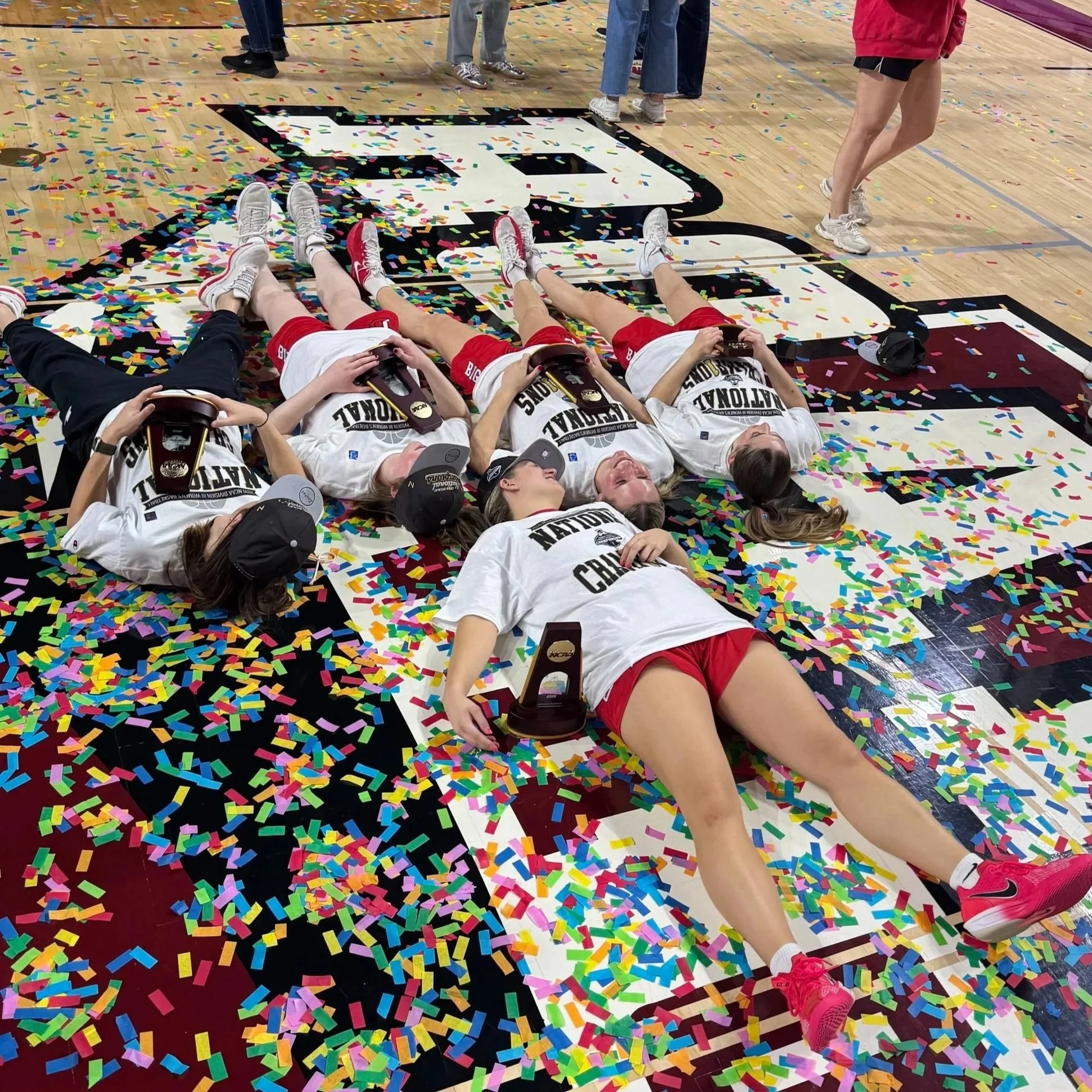
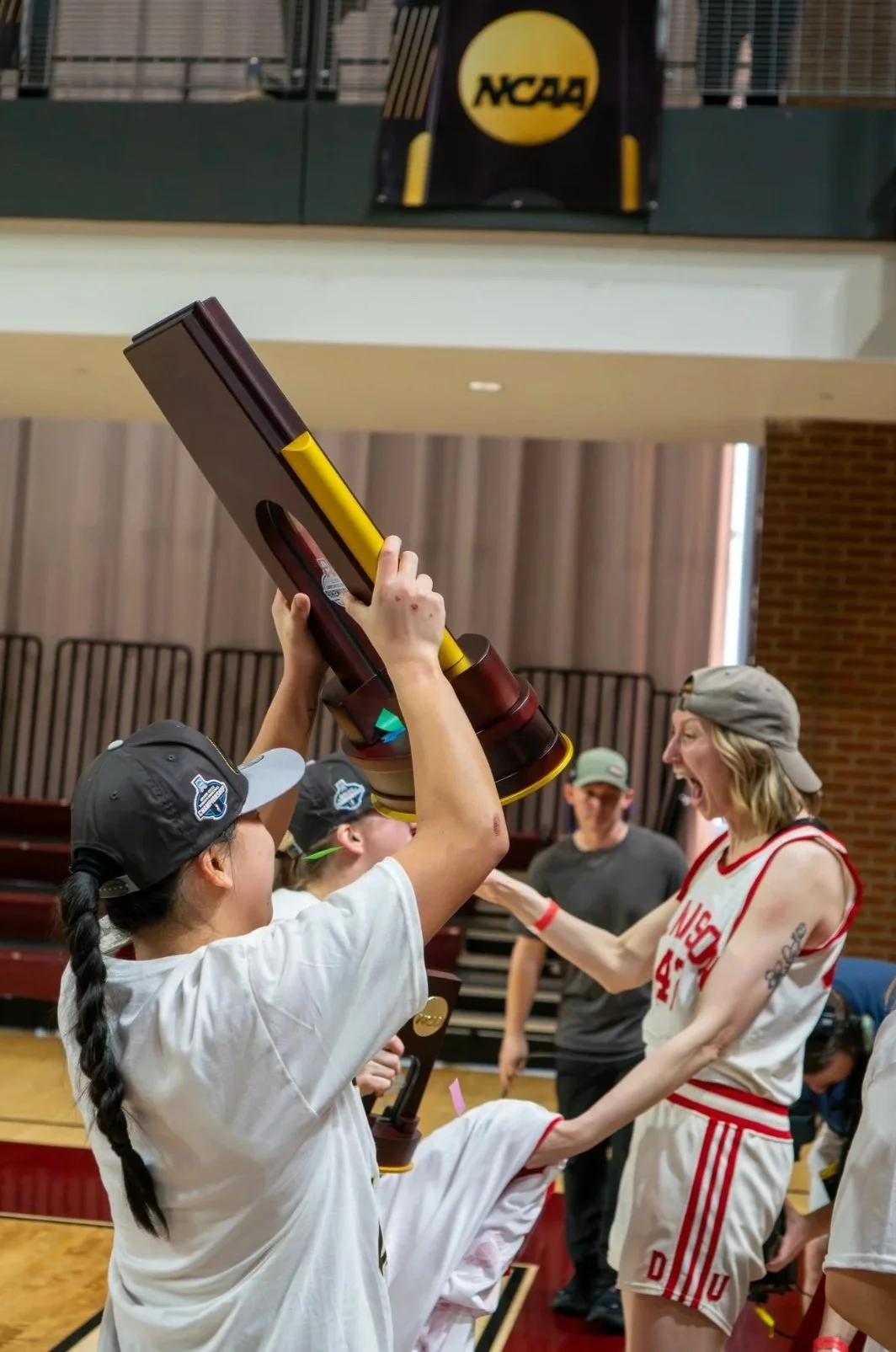
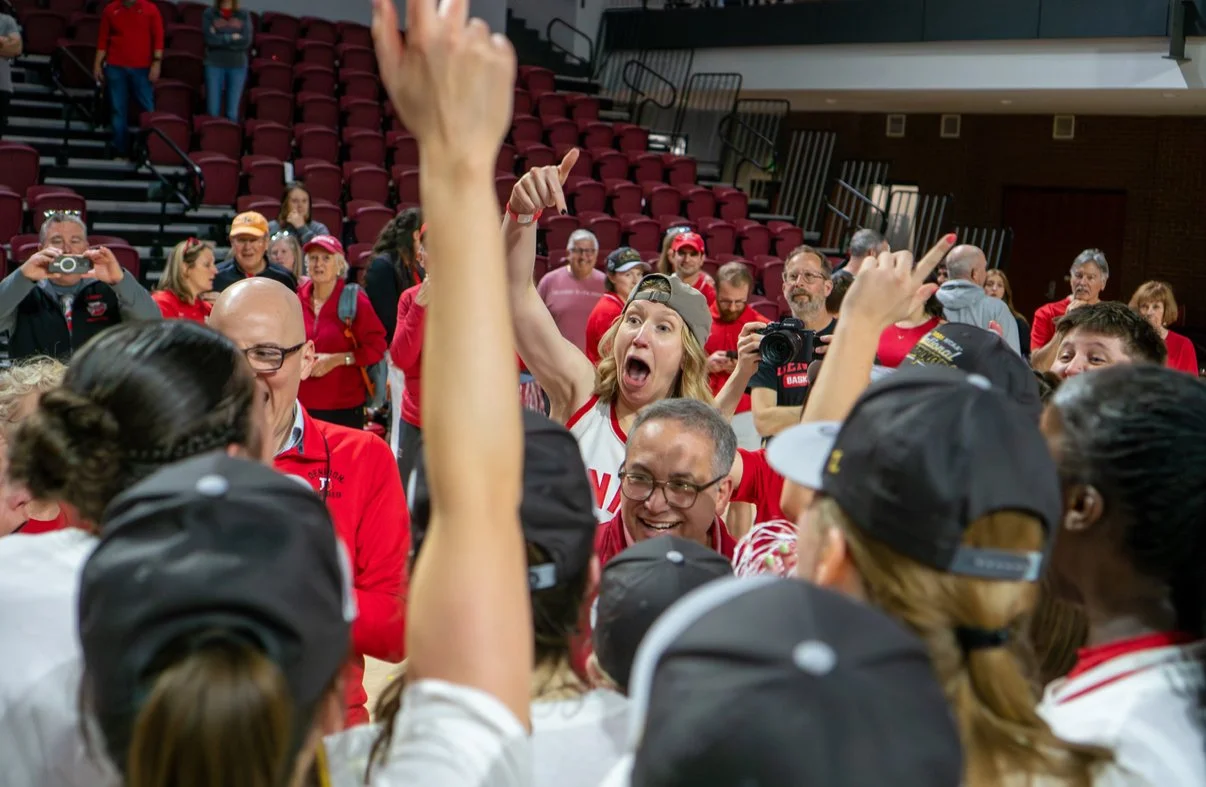
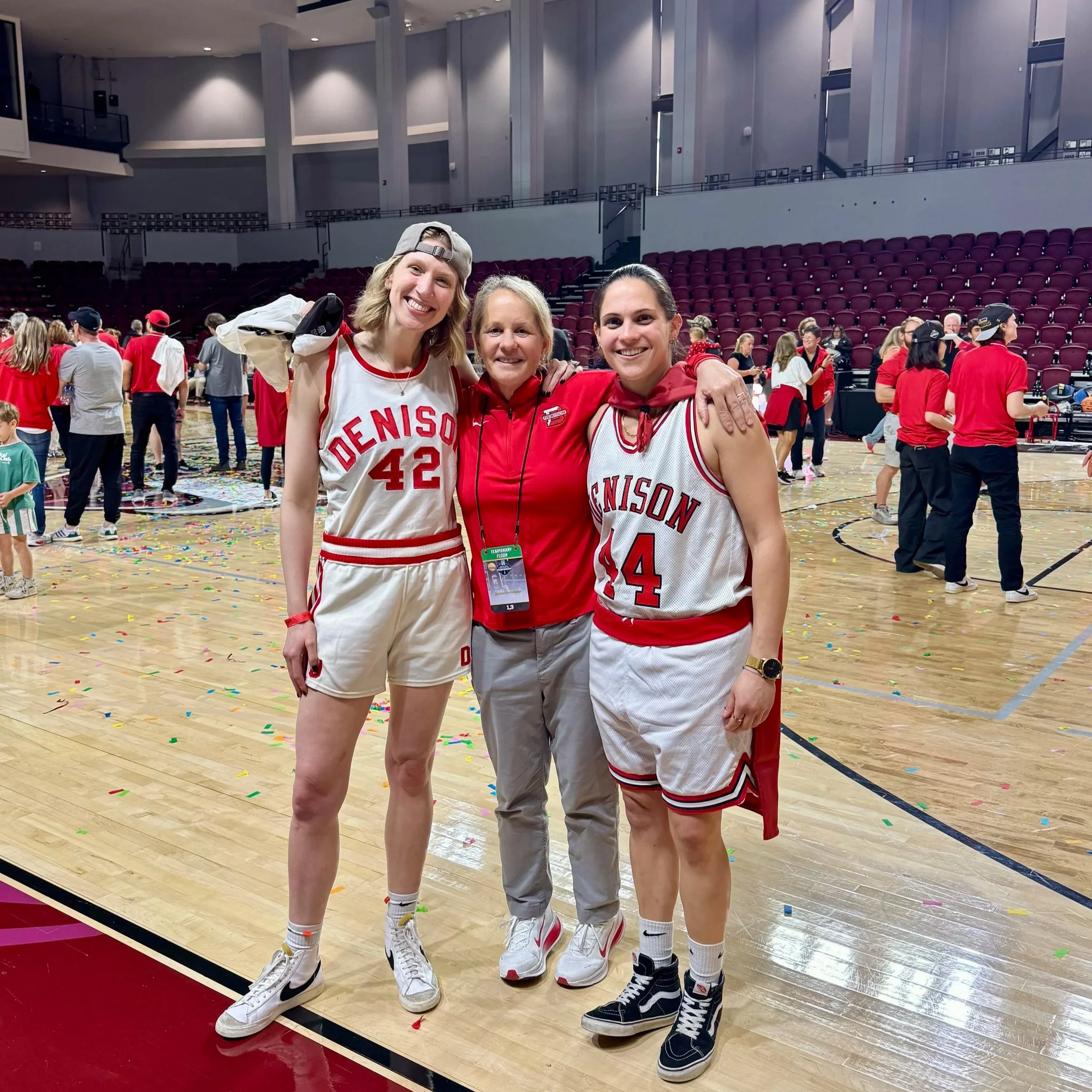
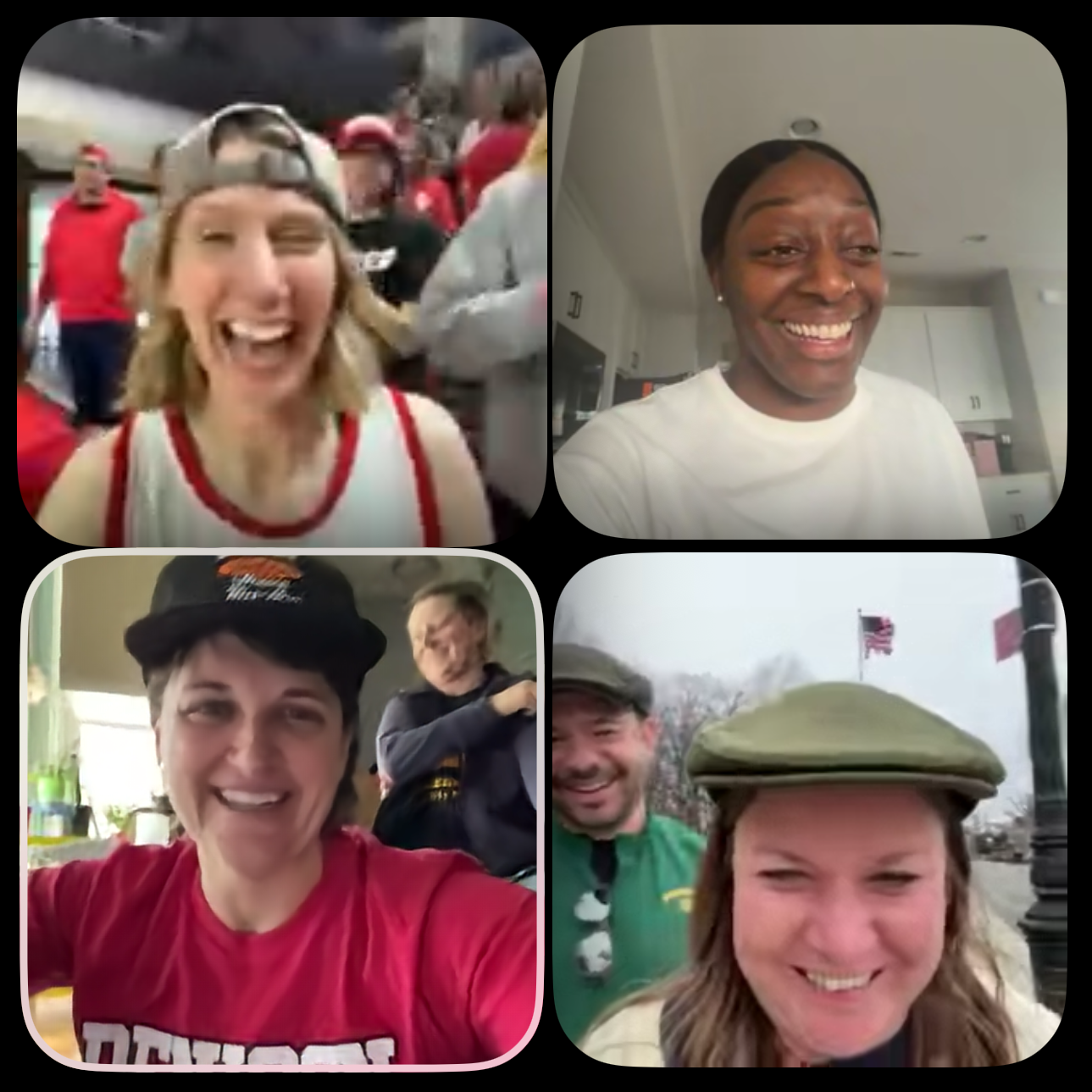
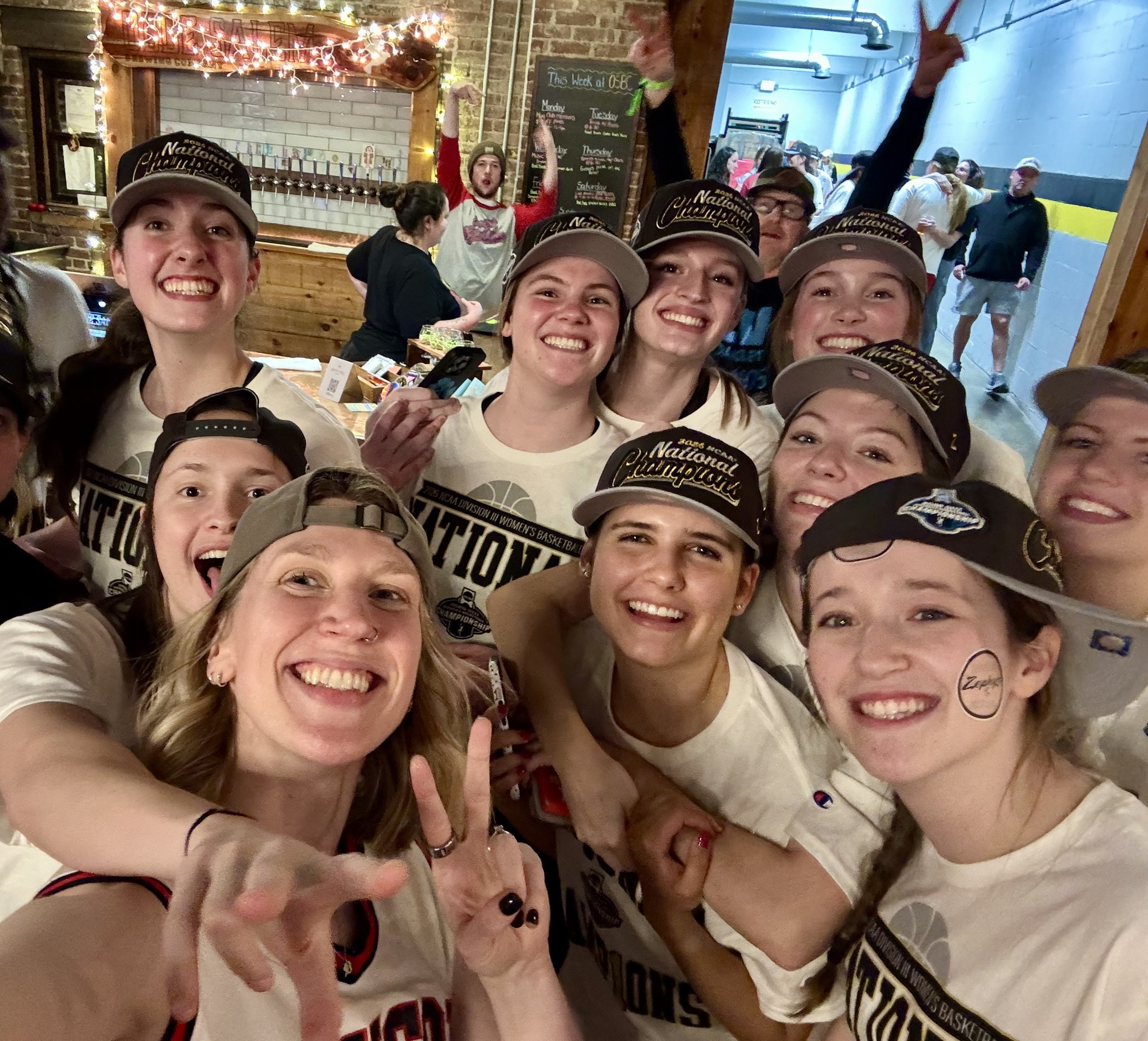
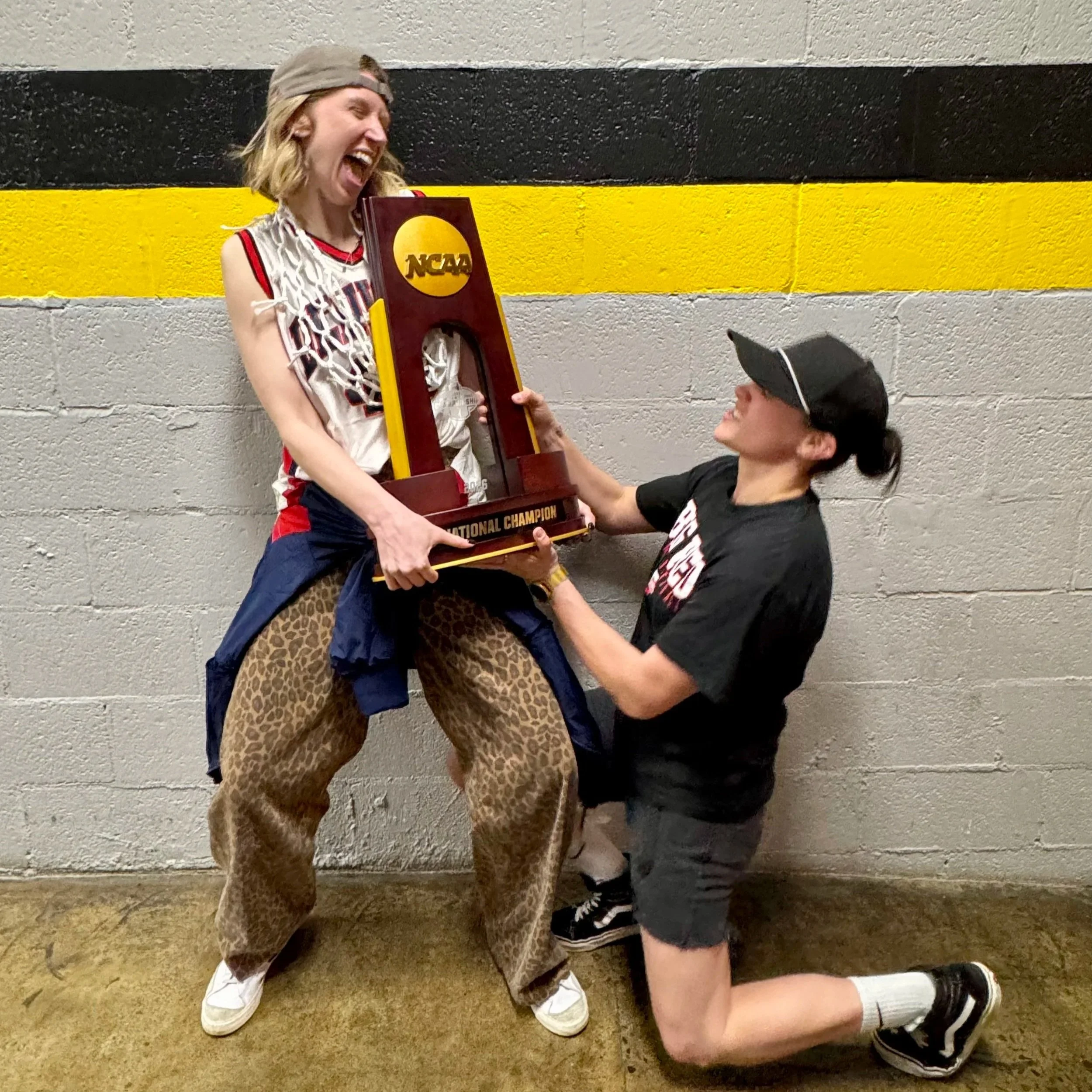
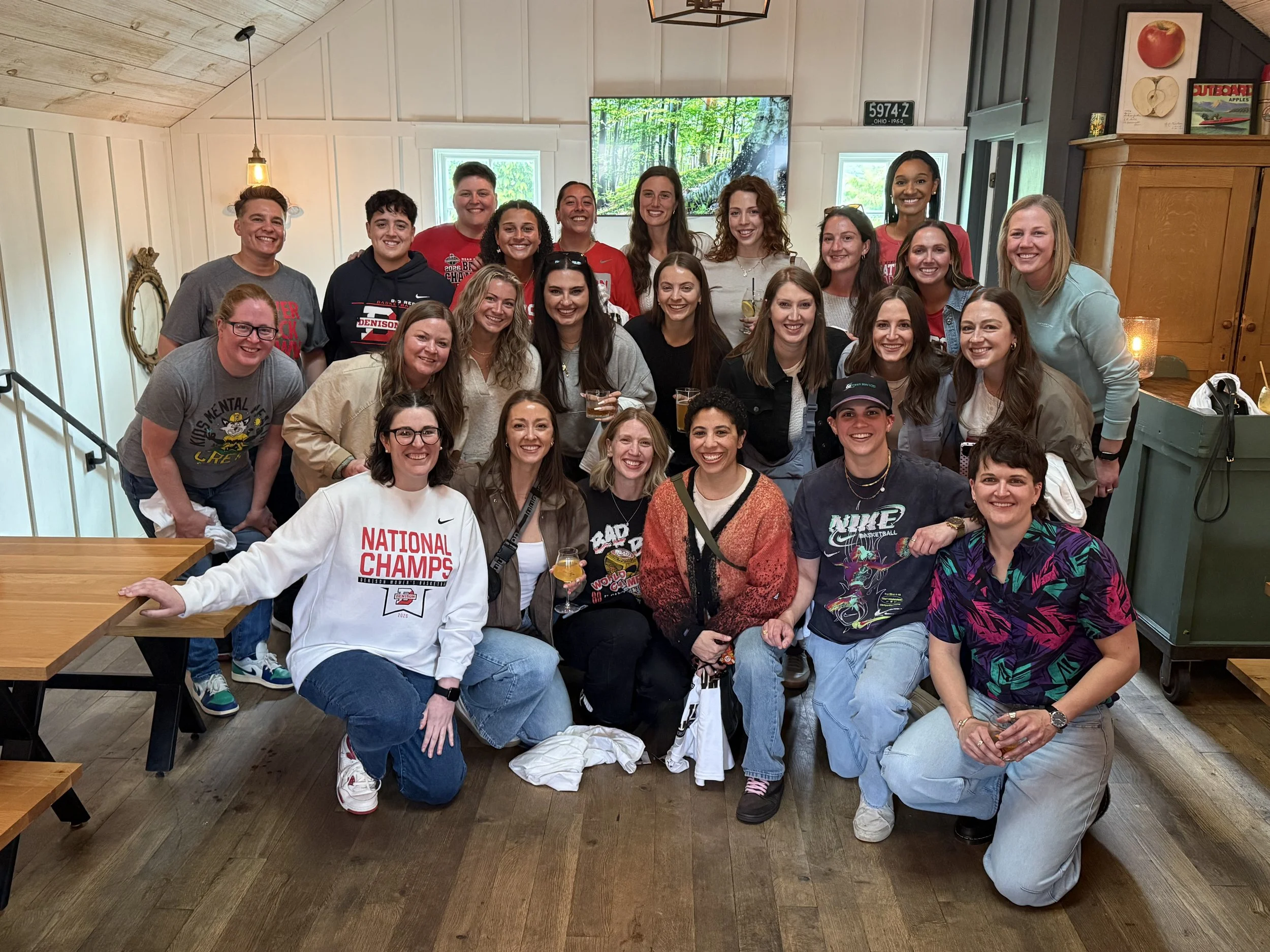
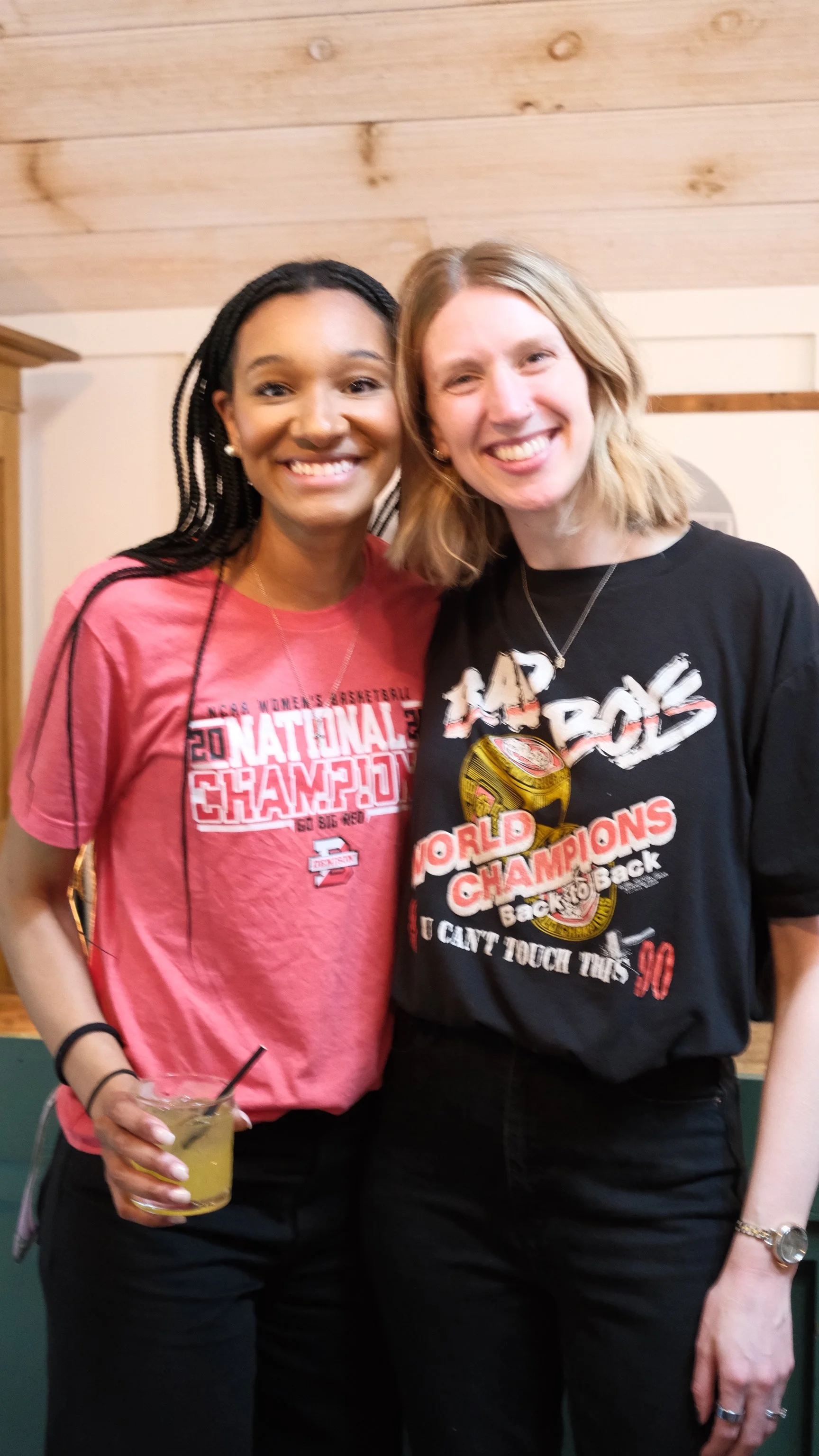
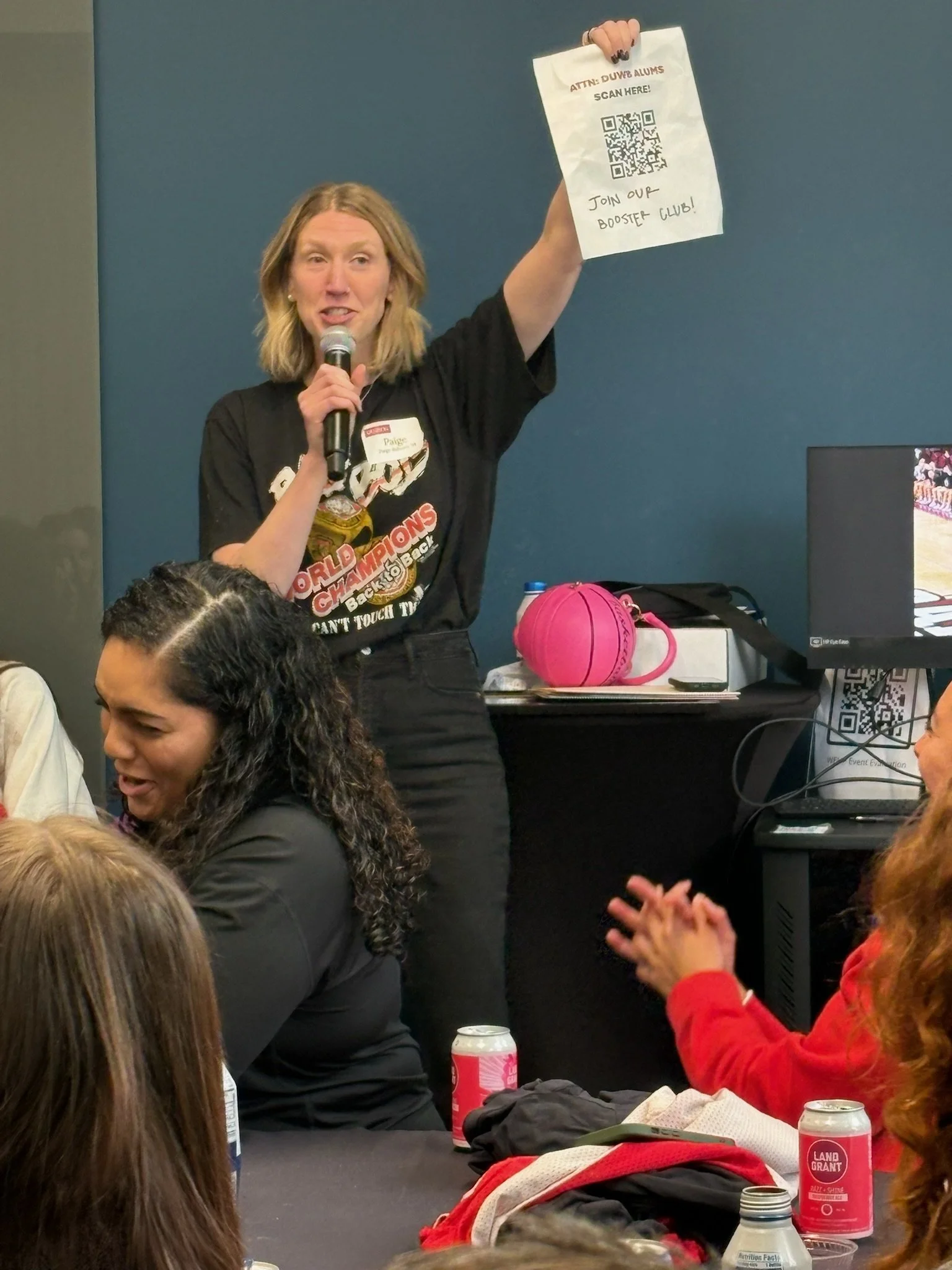
Still riding high from the win, I helped plan a celebration weekend for the team before school ended. More than 30 alumni came back to campus and we turned it up! We got t-shirts. We went to Taco Dan’s. We started a booster club. My heart was full.
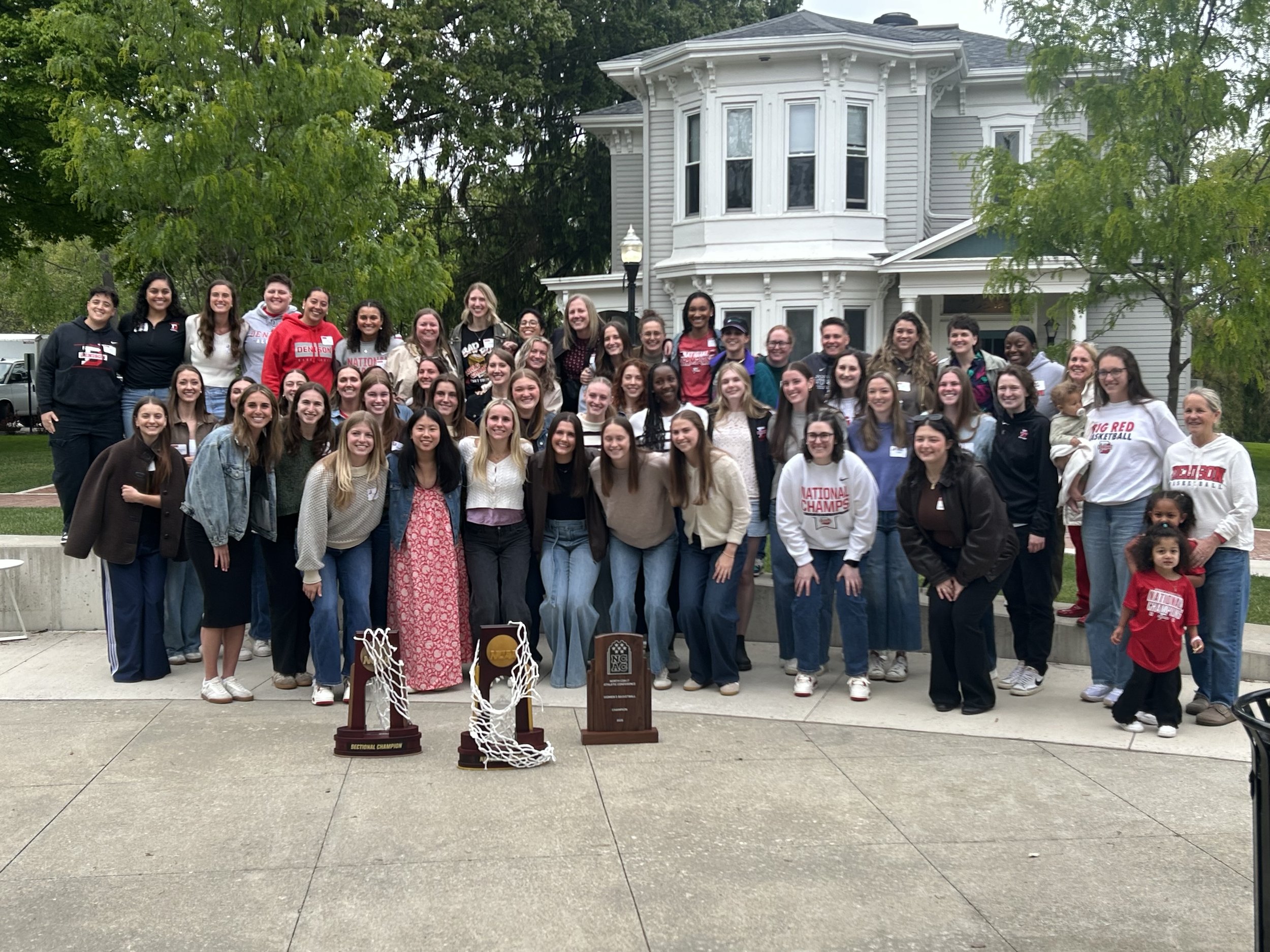
Given my intensity enthusiasm I was asked to give a speech at the banquet honoring the NATIONAL CHAMPIONSHIP team. Here is what I said:
I was asked to say a few words today — and I said yes for two reasons. First, I can’t stop talking about the championship game. Second…I’ll be honest, I cheated. I already wrote a speech about this team.
In a final job interview last month, I was asked to present what leadership means to me. When I thought about where I first learned leadership skills, I immediately thought about Denison women’s basketball.
To start my presentation, I shared a photo of the team I was a part of: the 2011 Denison women's basketball team. The team that went 28–0.
Here is what I learned that season: Yes, winning is fun, but I don’t remember the specifics from the games. I remember the people I did it with. The dance parties in the locker room, the breakfasts at Bob Evans, and the late nights in the dorms. I also remember how it felt.
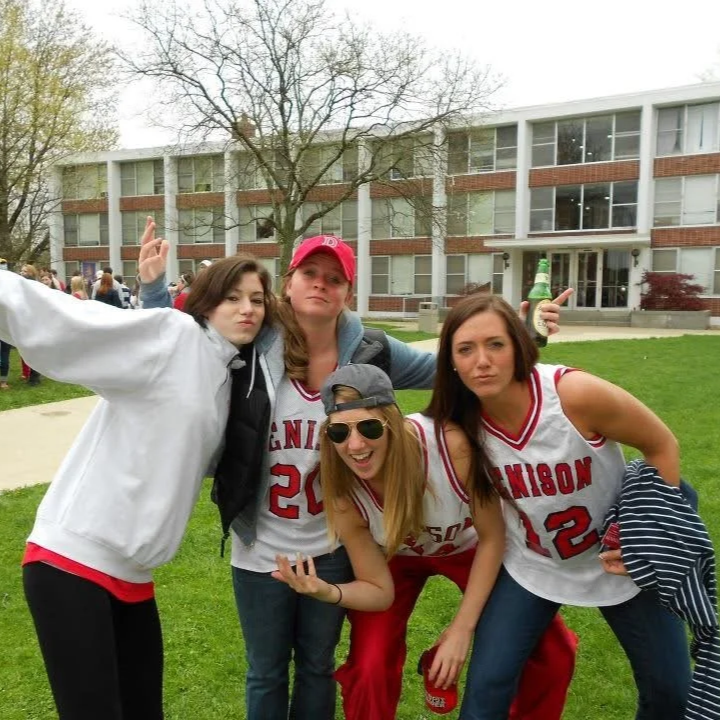
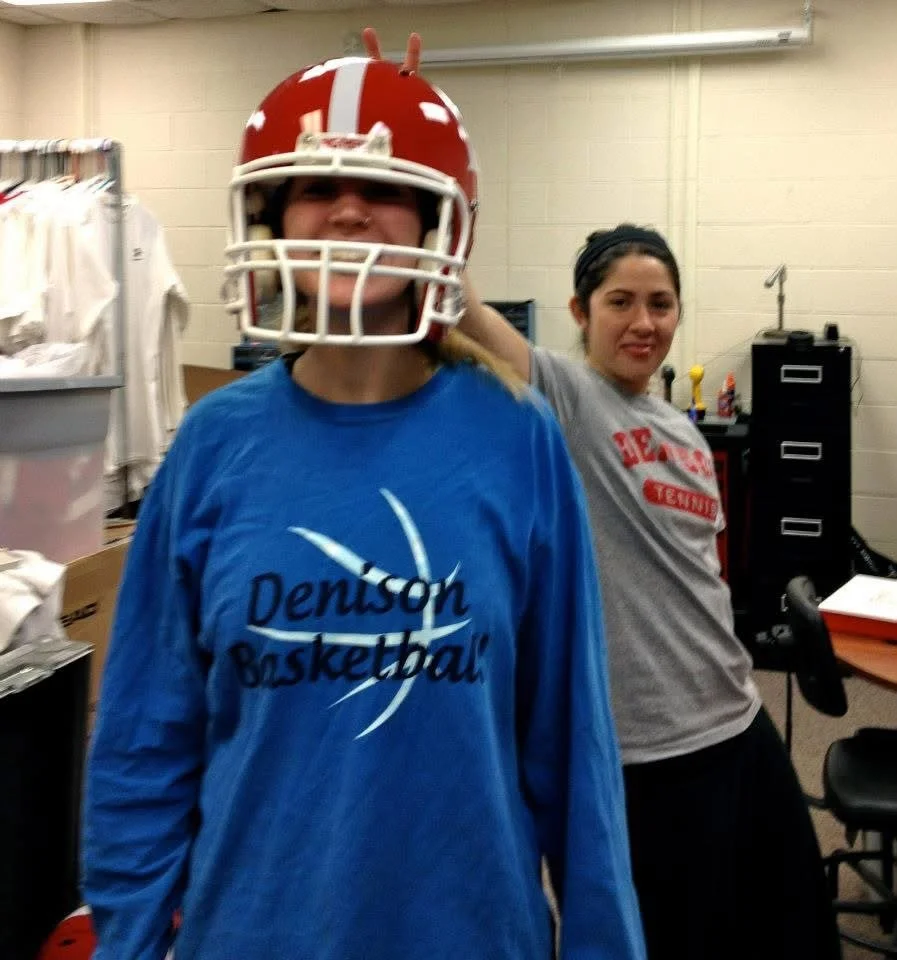
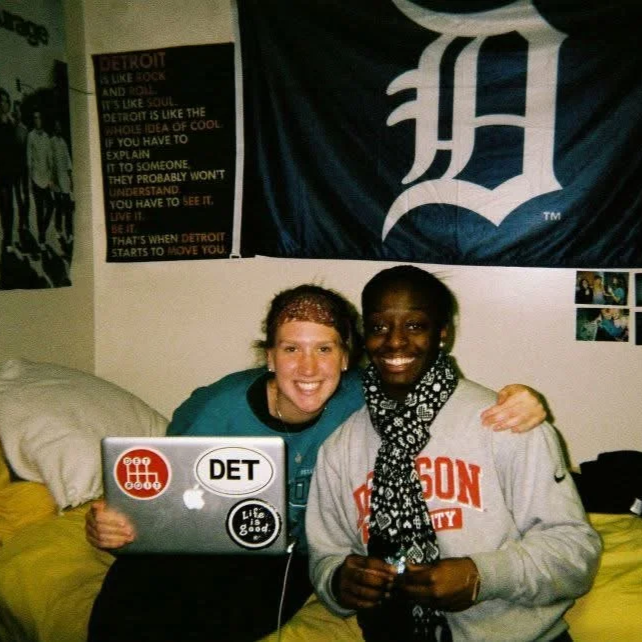
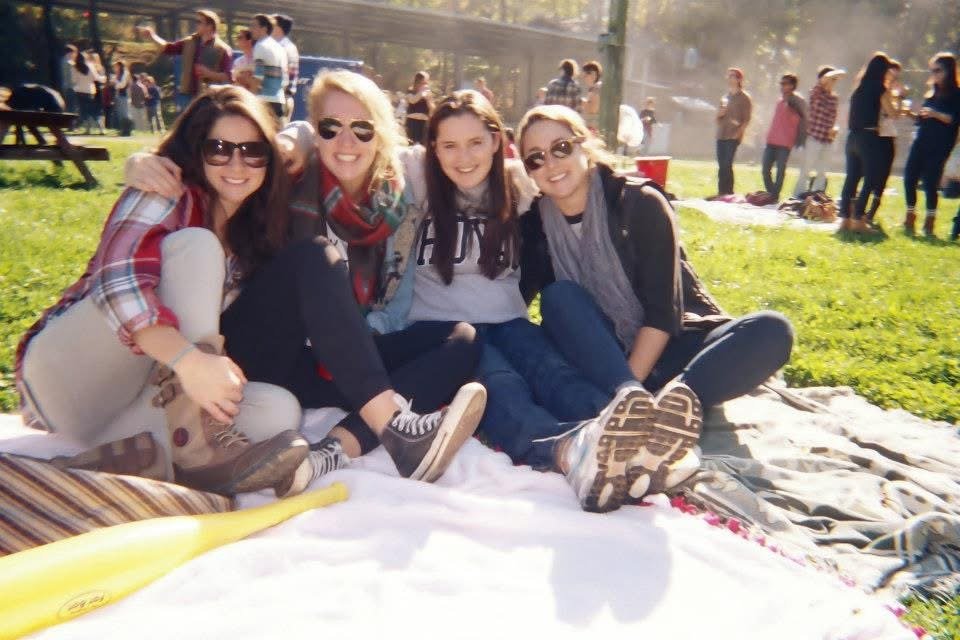
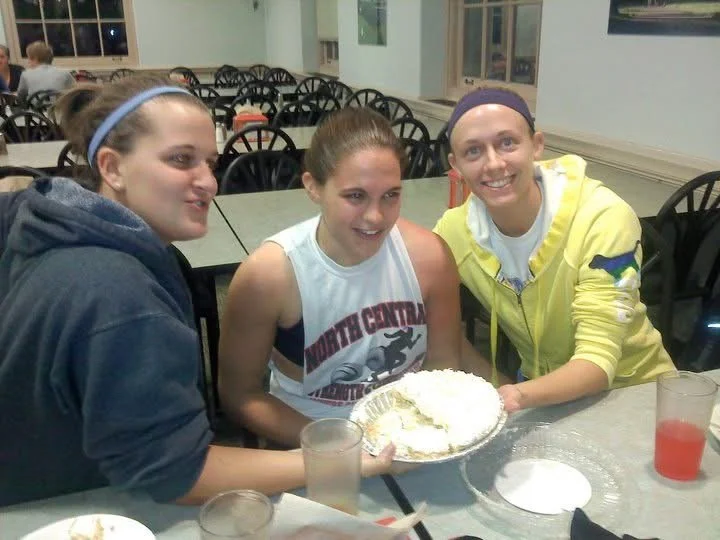

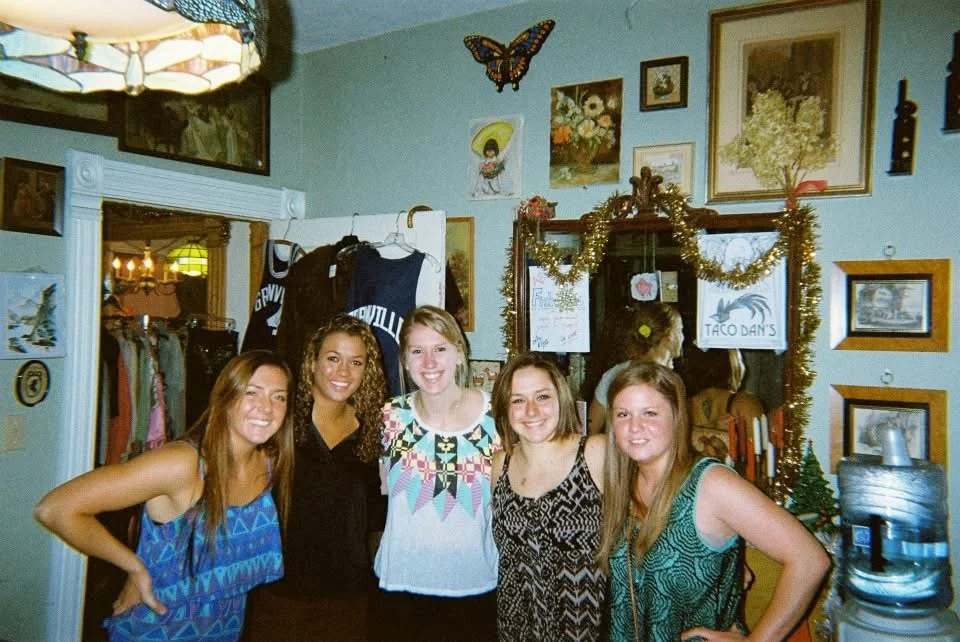
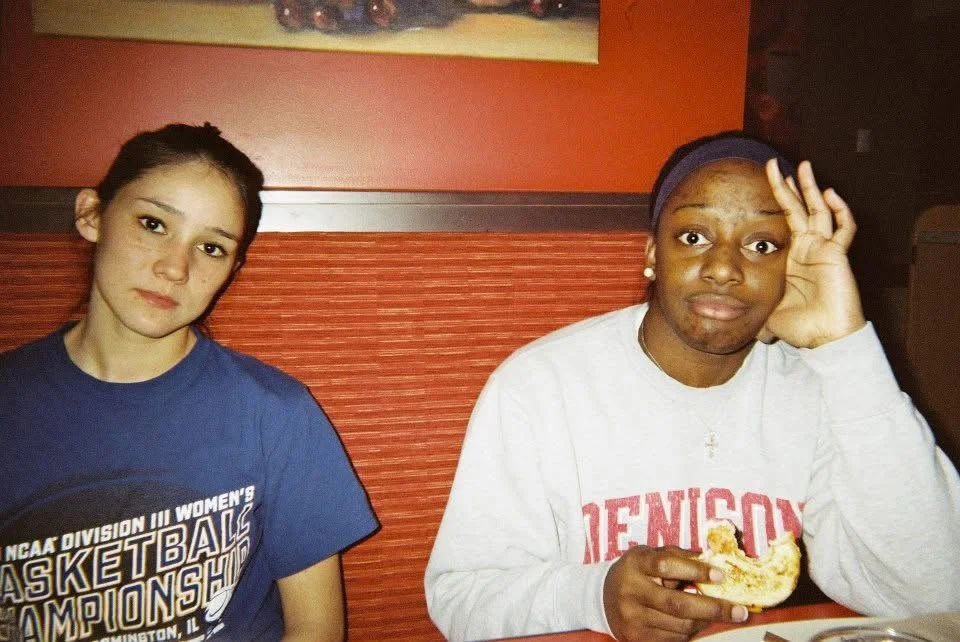
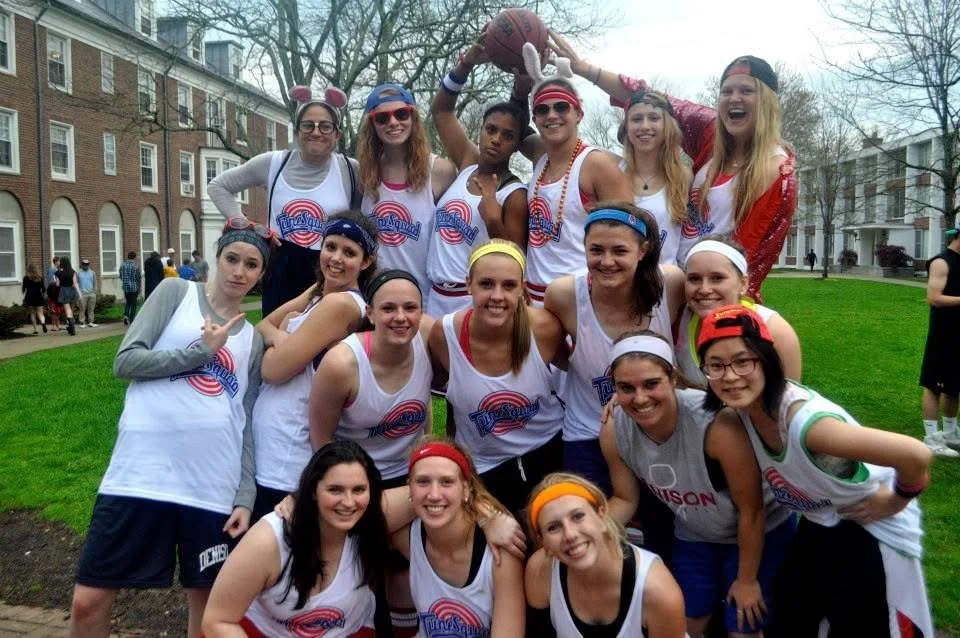
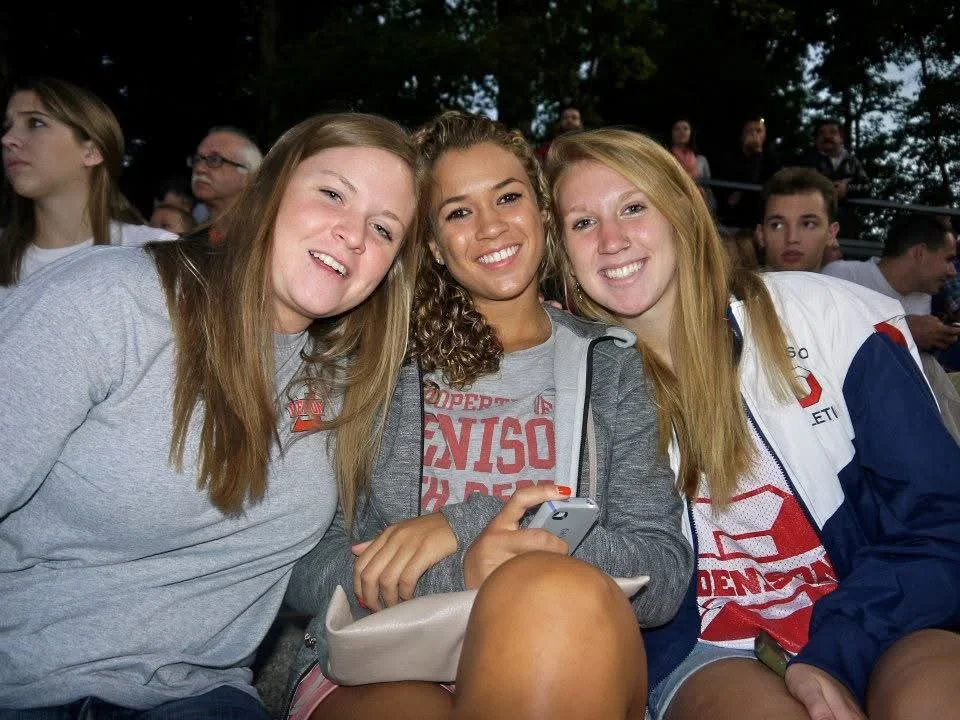
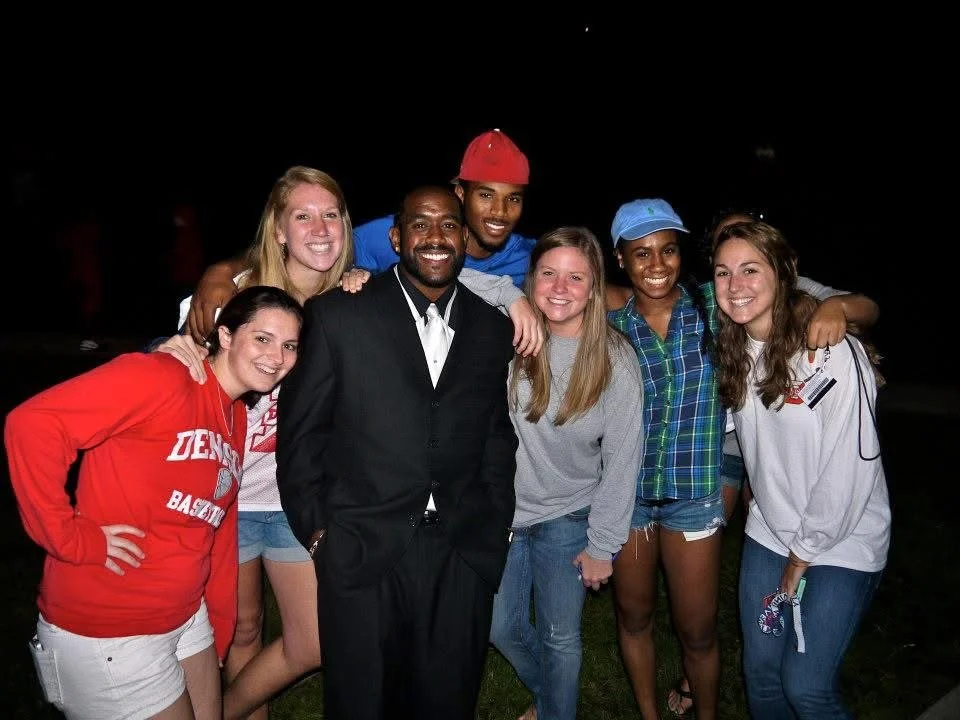
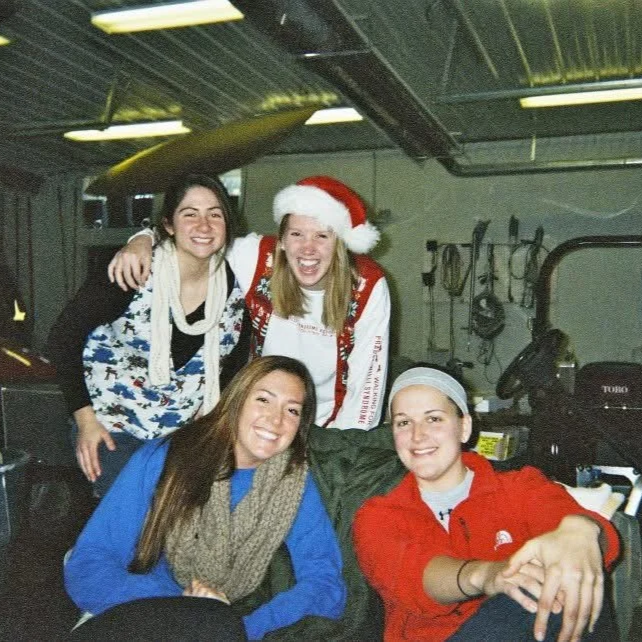
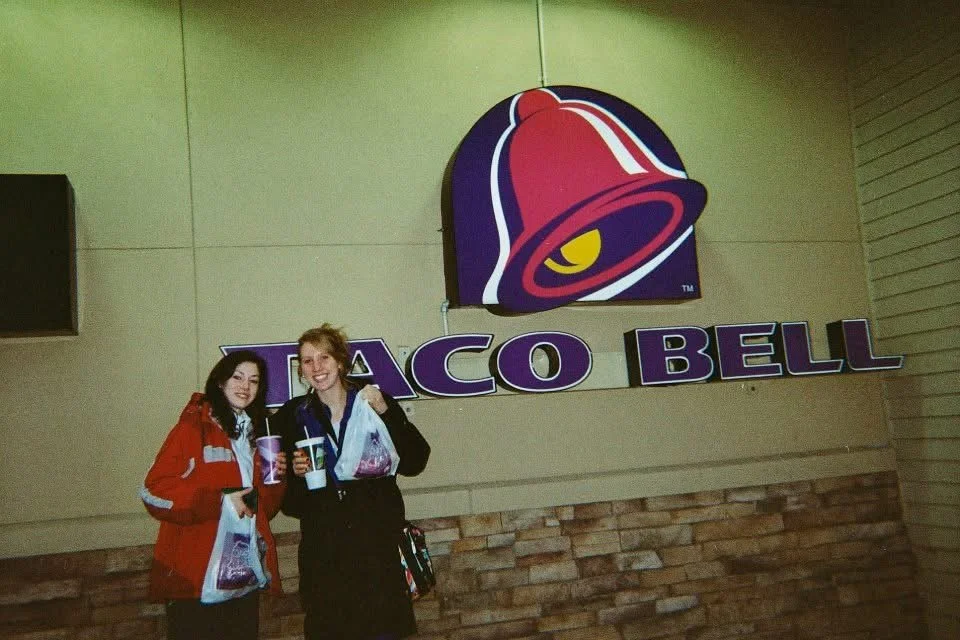
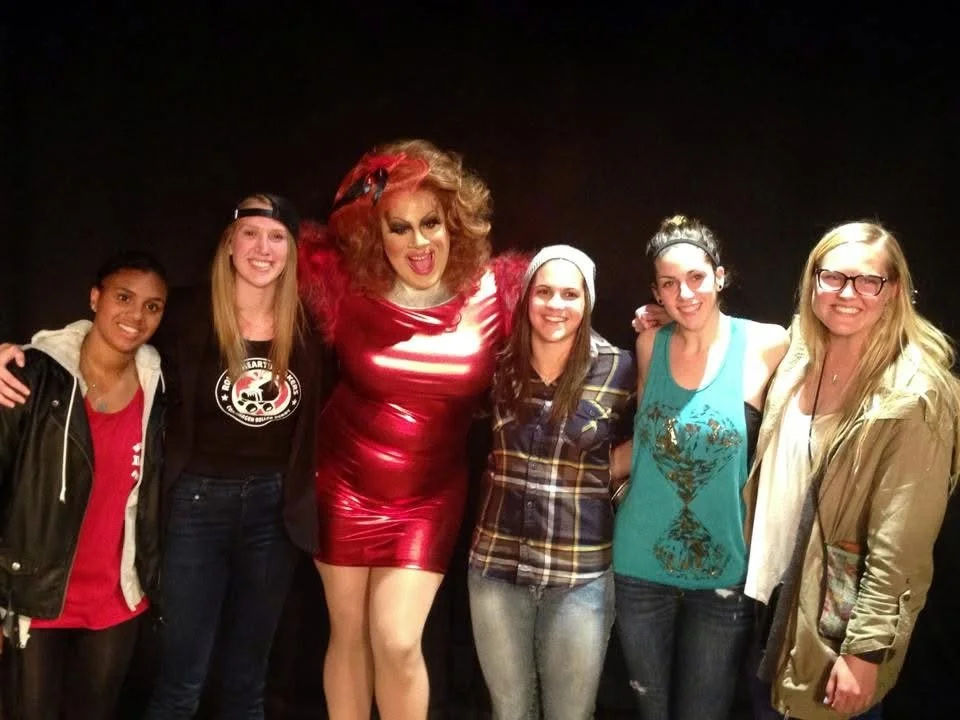
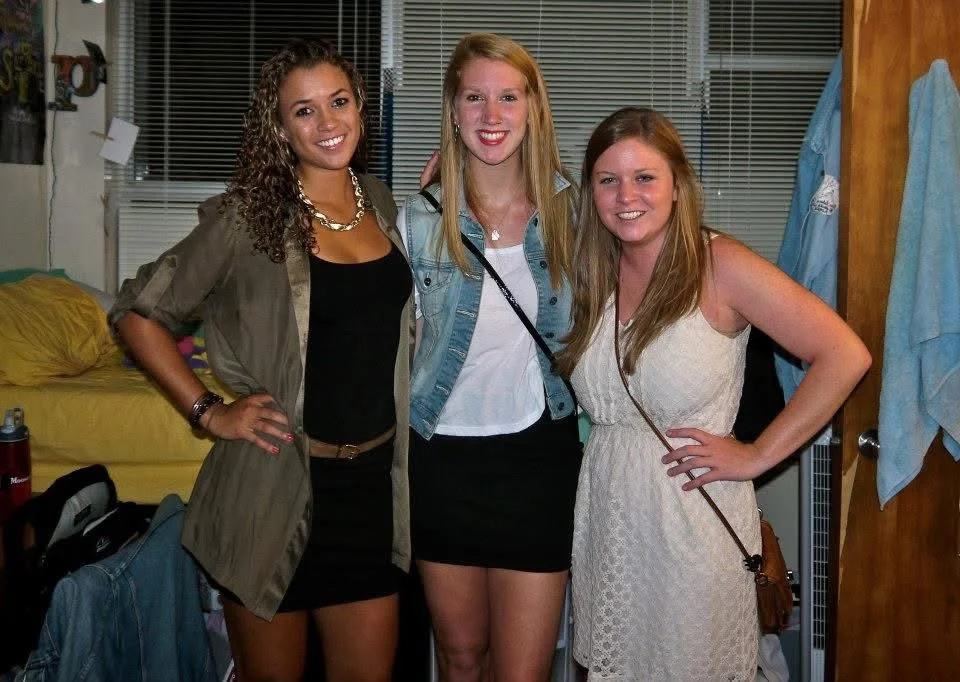

I remember feeling truly embraced by my teammates. I was celebrated (not for my athletic ability… you've all seen me play in the alumni game) but simply for being myself — quirky, enthusiastic, and yes, a little intense. It was the first time I felt like I belonged to something bigger than myself.
And that feeling stuck. It's what led me to drive 10+ hours to Roanoke, Virginia to watch this team play in the national championship.
Being in that gym was absolutely electric. Sure the basketball was top-tier, but for a leadership nerd like me? I was in heaven. I had a front row seat to watch a high-performing team in action.
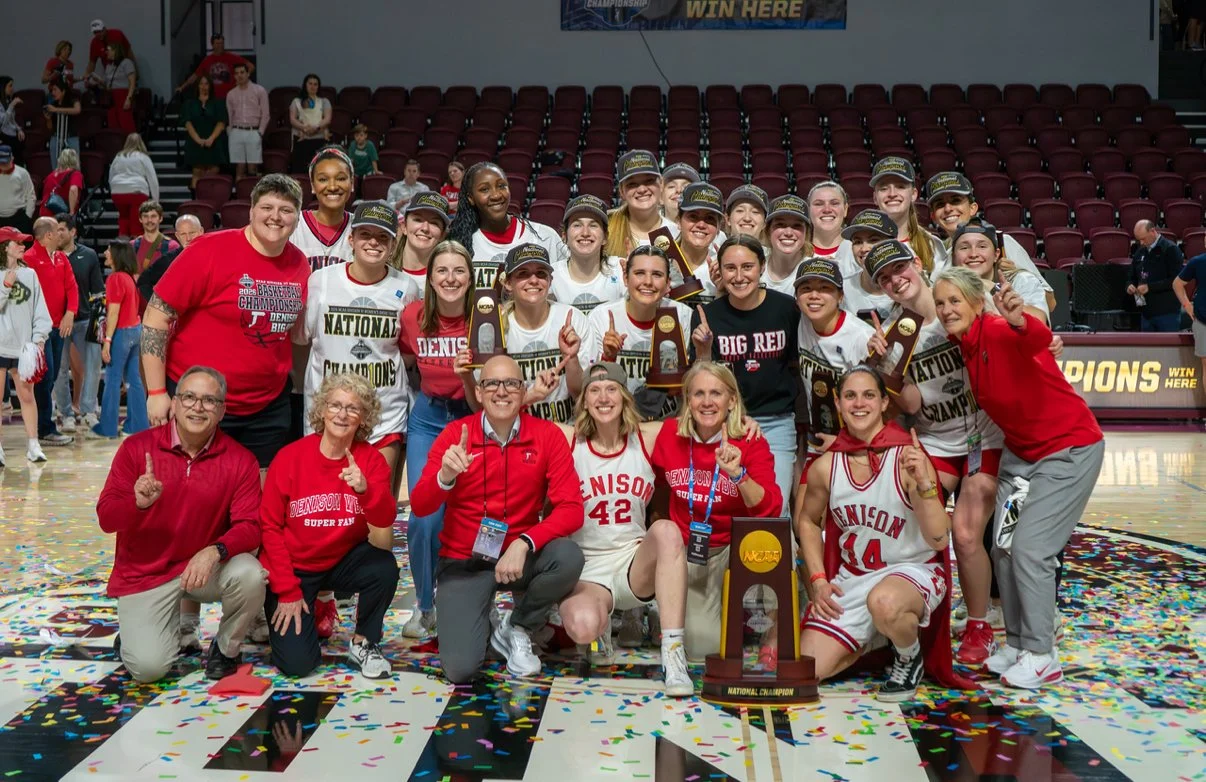
The first thing I noticed was the coaching staff. It’s no secret this coaching staff is talented. But talent alone doesn’t win championships. What stood out to me is their investment in the team’s culture. I love how the coaches come up with creative ways to recognize and empower every player. I appreciate how they honor Coach Lee's legacy. And I’m grateful for how they intentionally engage alumni. It’s obvious how this coaching staff has built more than a team, they’ve built a real community.
And then there are the players. Yes, you make big plays. Yes, you lock in under pressure. But leadership is more than the points you score. It's how you care for each other when no one's watching. It's how you lift each other up when things get hard. It's cheering each other on, especially when you’re on the bench. That's what makes this team truly great.
Being at that championship game reminded me that this feeling of belonging doesn't fade over time. When it's built the right way, it stays with you — and it multiplies across generations.
I want to end with a heartfelt thank you to this team. Thank you for being so fun to watch. Thank you for giving us a reason to come back together. And thank you for reminding us what it feels like to belong.
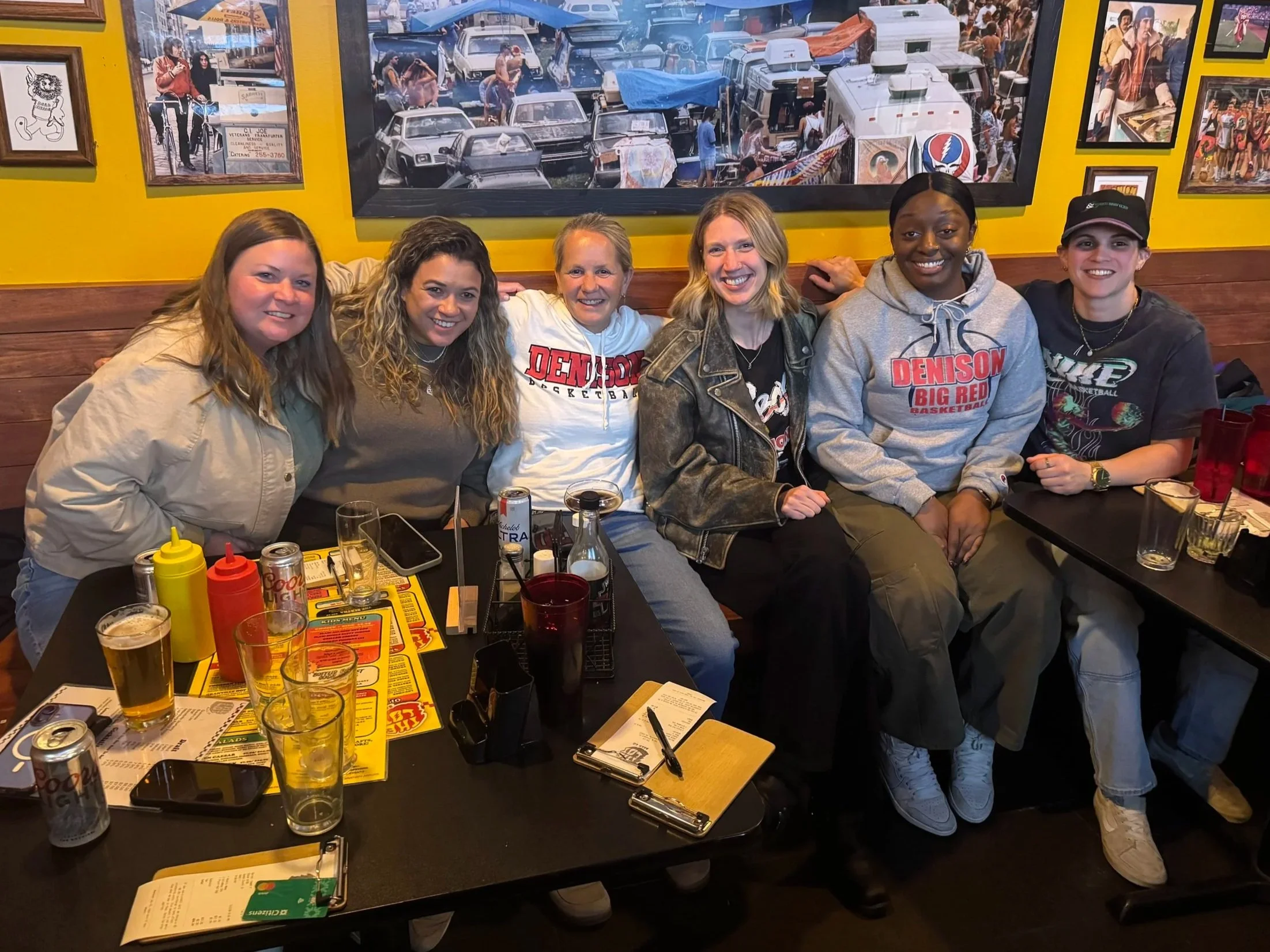
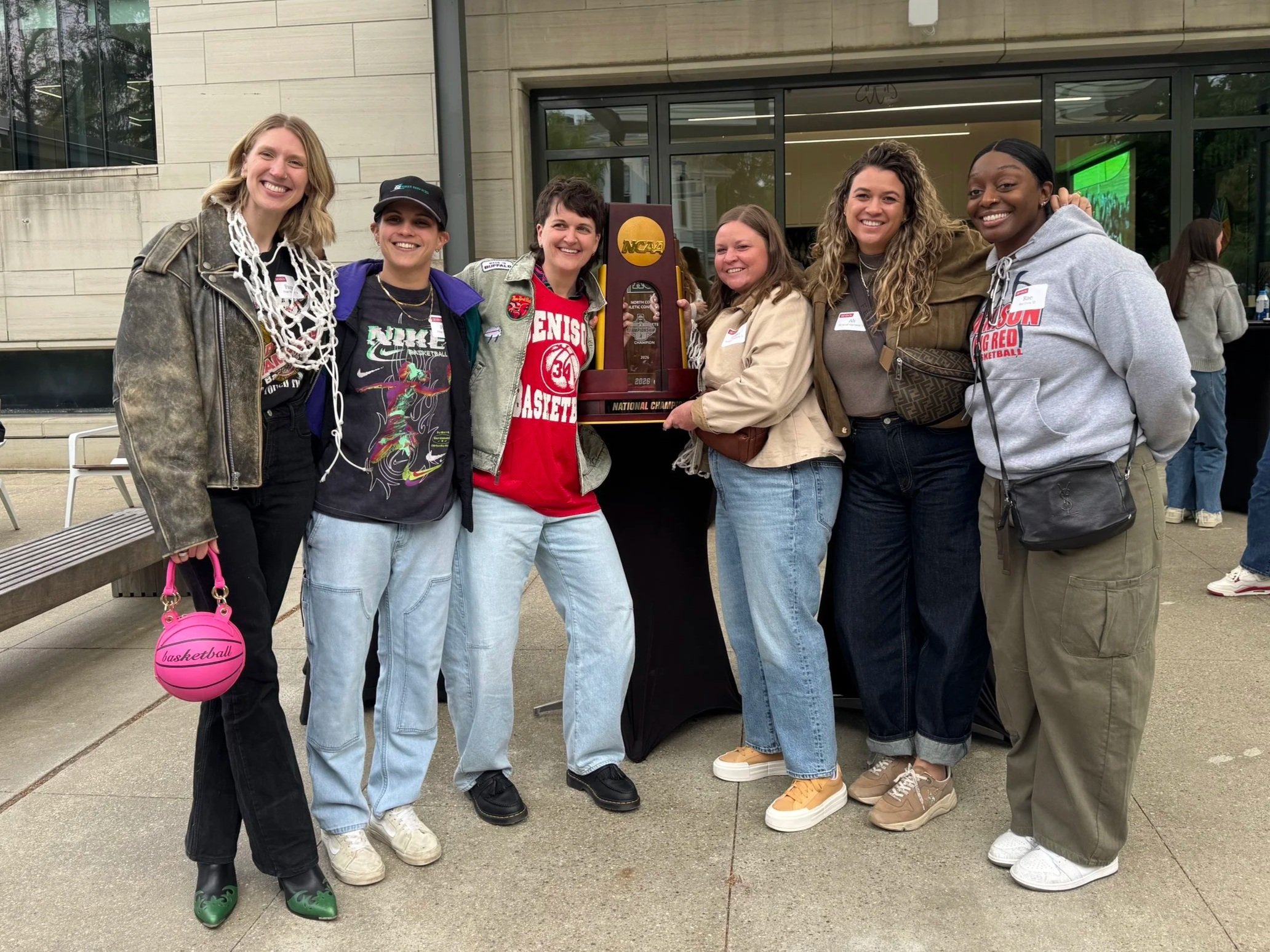
Welp! That's the speech. And funny enough? It's almost the same one that landed me my current job — Director of Programming at the University of Michigan Ross School of Business Sanger Leadership Center. ;)
I'm starting this series with this story because it's the realest one I've got. Every high-performing team I've ever been part of or studied has one thing in common: their culture was not an accident. Culture is intentionally built by leaders who actually invest in their people and by teammates who show up for each other when nobody's watching.
Stay tuned for more reflections on what actually helps leaders close the gap between the culture they want to create and the one people experience. ;)