What Orientation Taught Me About Leadership
Leadership Lessons, Vol. 2
This is my second post in a series where I reflect on what I’ve learned as an executive coach, consultant, and leadership development strategist.
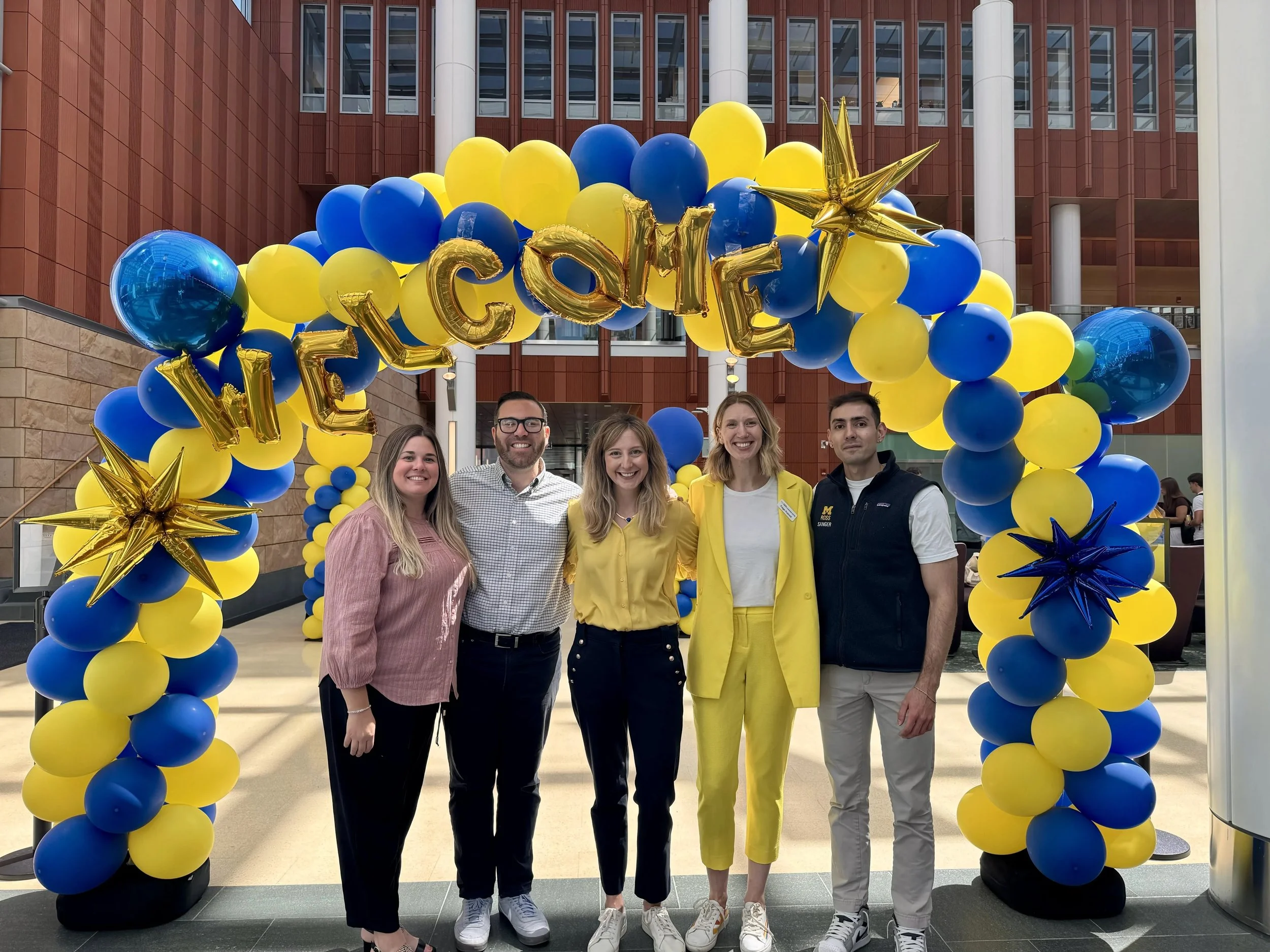
I just wrapped my first 90 days as Director of Programming at the Sanger Leadership Center so I'm in a reflective mood. The past few weeks at the Ross School of Business have been a whirlwind.
Our team facilitated dozens of leadership workshops across nine different Ross orientation programs. Our signature program, Collaboration Lab, equipped every MBA student with the foundational skills to work effectively on a team.
I'm tired…but I'm also energized. I forgot how magical orientation is. Students walk in filled with hope and possibility. A room full of nerves, hope, and fresh starts. There's nothing quite like it.
My bias toward orientation runs deep. I was randomly assigned a roommate at Denison University orientation in June 2010. I spent the day anxious, wondering if I'd made the wrong choice to attend a small school in Ohio. After a full day of campus tours and icebreakers, we had "social time." Translation: 18 year olds making small talk. Let's just say the vibes were off.
That is, until Skarlyn Rodriguez took matters into her own hands. I watched her and her friends from Boston transform the dorm into a night club. Lights were off. Aventura was blasting. I was mesmerized.
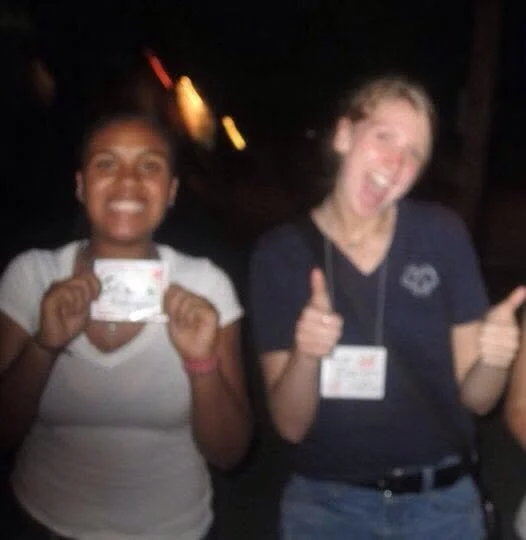
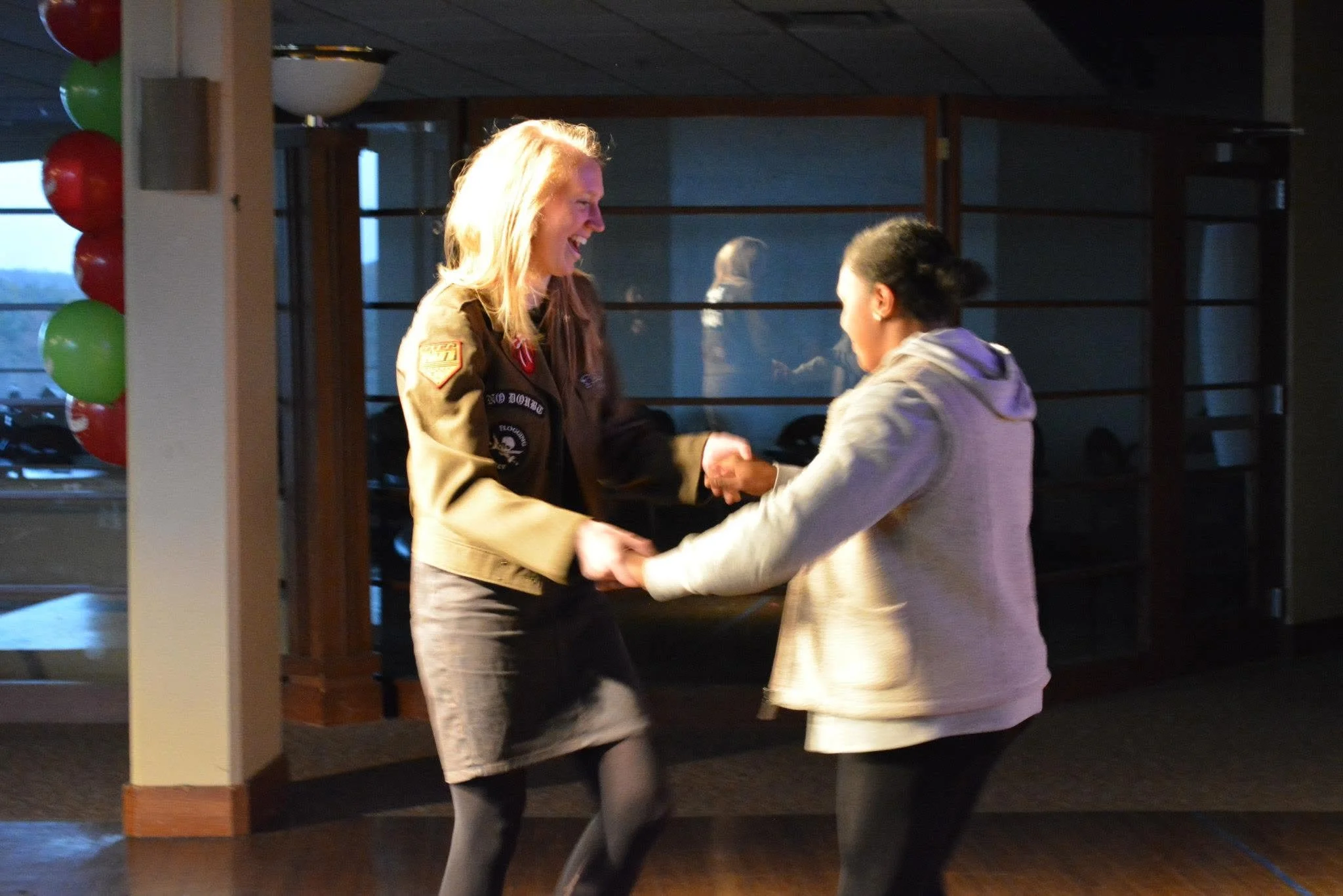
I was shy, but Skarlyn's magnetic energy pulled me onto the dance floor. Before I knew it, she was teaching me how to dance bachata.
After the party, I found out I'd been randomly assigned to room with her that night. Some people say Denison paired us because of our last names (Rodriguez and Robnett) but I like to think it was fate.
We stayed up all night talking. When Skarlyn asked if I wanted to live with her freshman year, I said yes before she finished the question. I tried to play it cool, but I was not cool. I'd only known her for a few hours, but I felt a deep sense of comfort with her. I was far from my family, in a different state, with a complete stranger. And somehow, she made me feel like I was home.
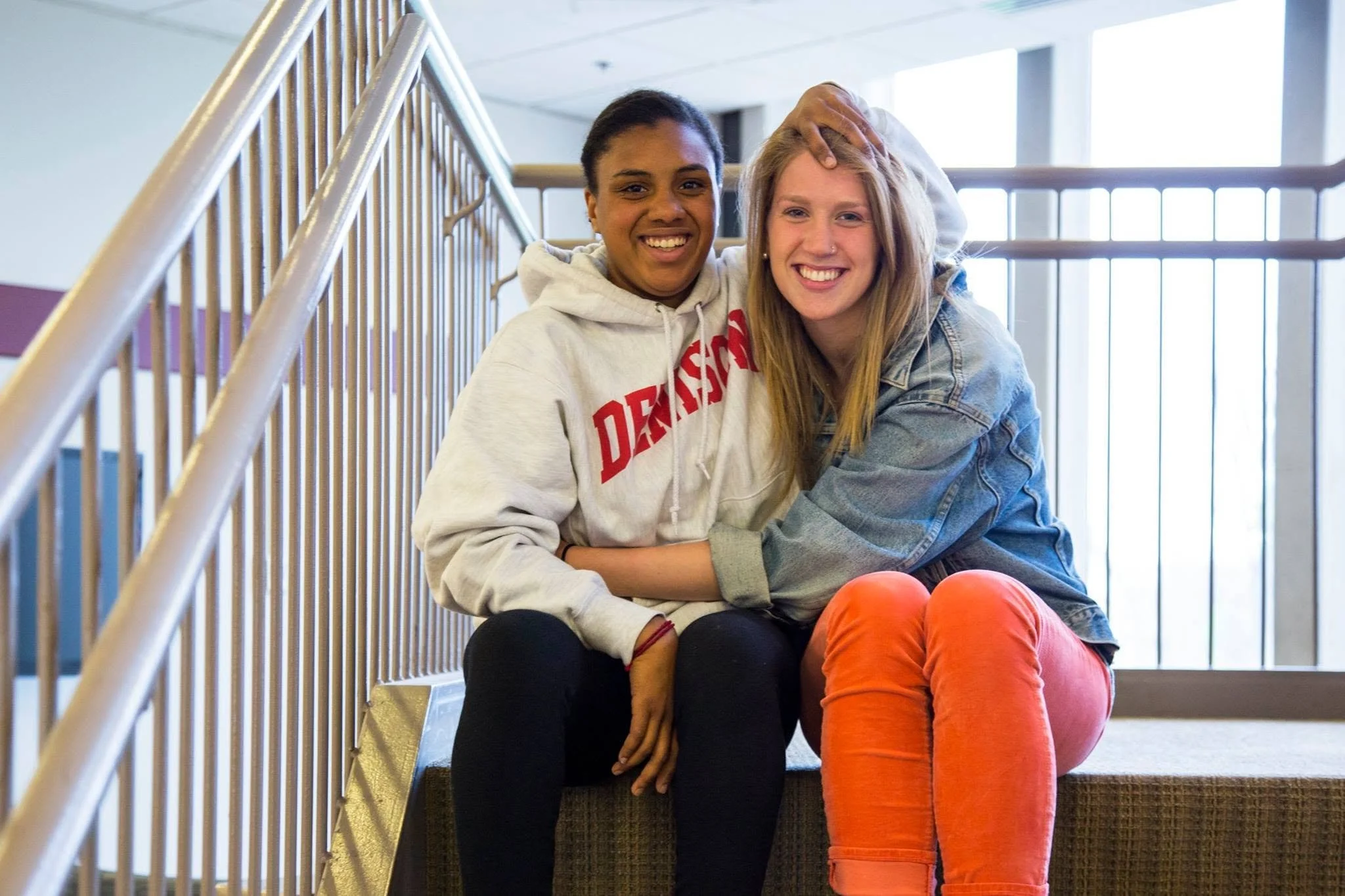
That night with Skarlyn is why I applied to become an orientation leader myself. I wanted to help students, especially anxious ones like me, feel that same sense of belonging on day one in a new environment.
Becoming an orientation leader felt like a big leap for me in 2012. I was used to being on a team, sure, but only on a team inside a gym. I didn't know it at the time, but forming an orientation team taught me what it takes to build a high-performing one outside of athletics.
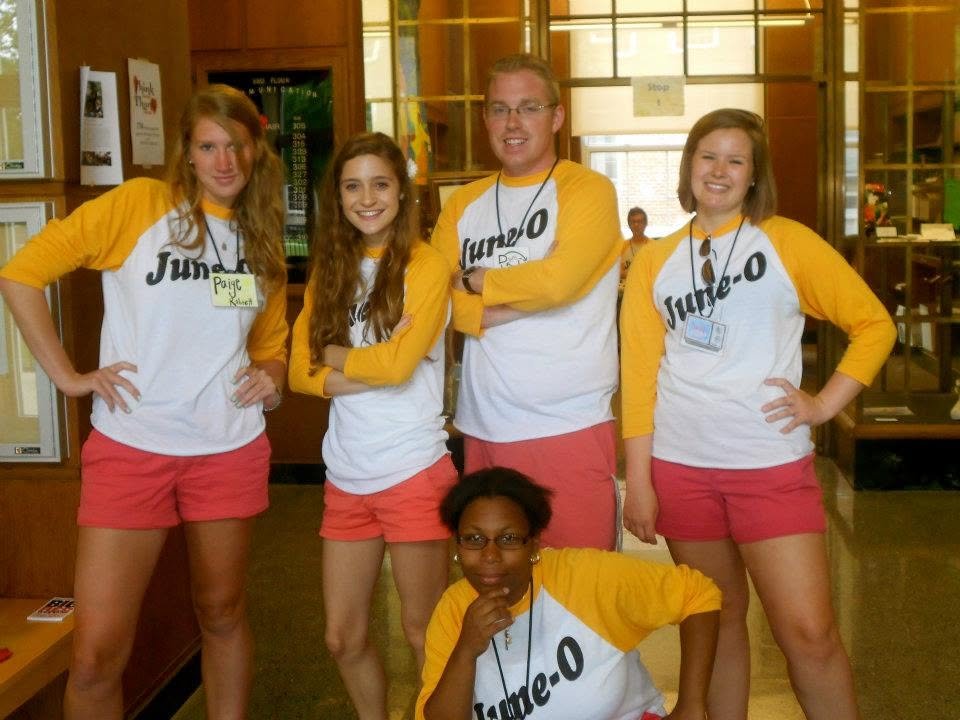
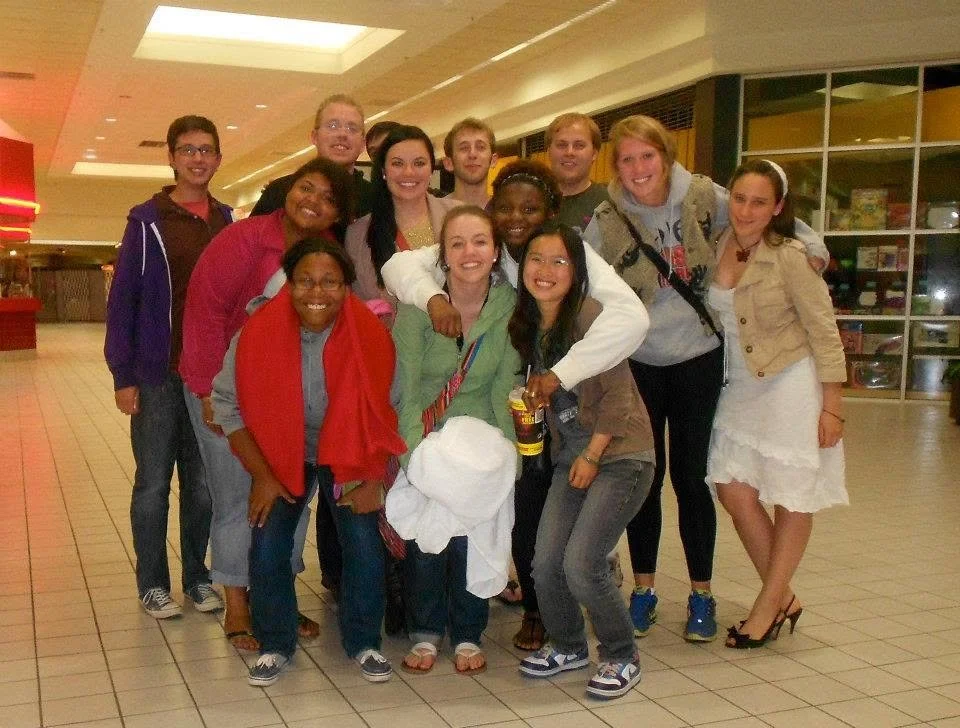
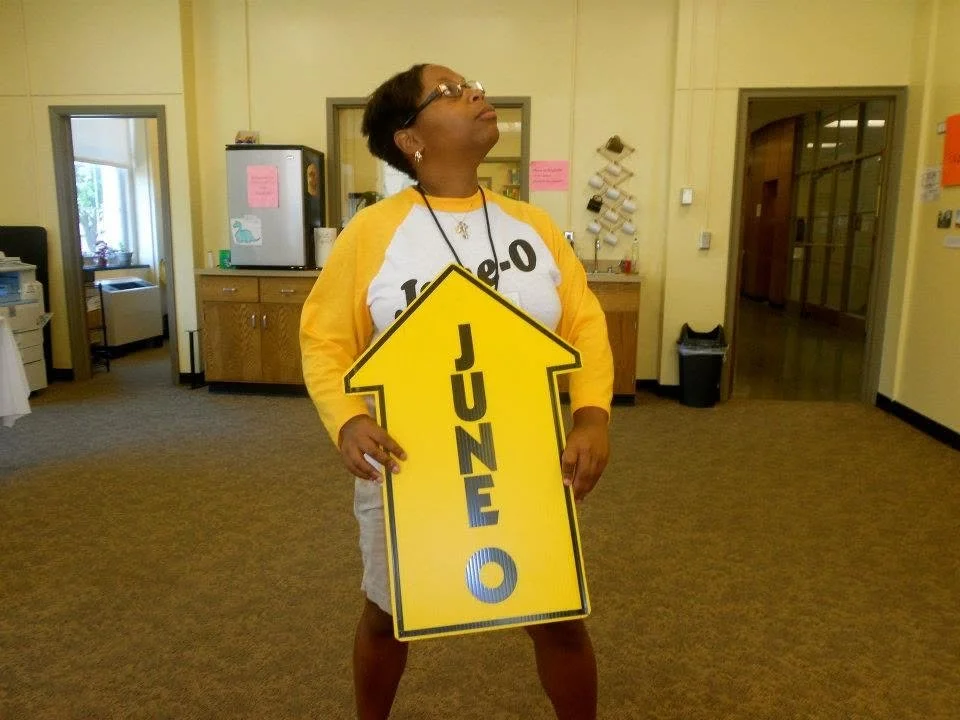
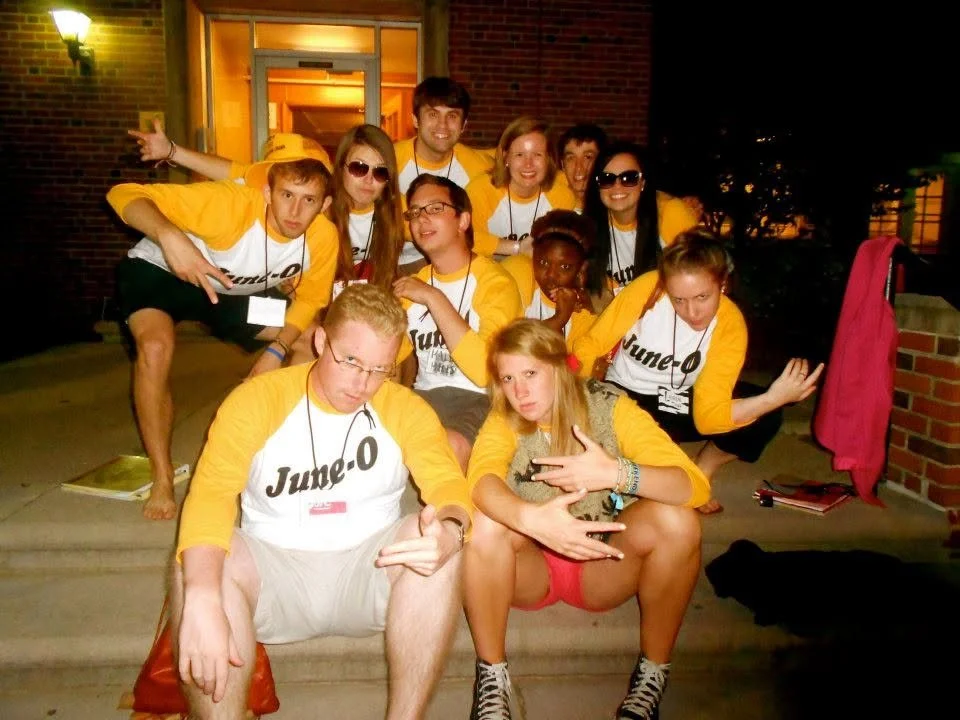
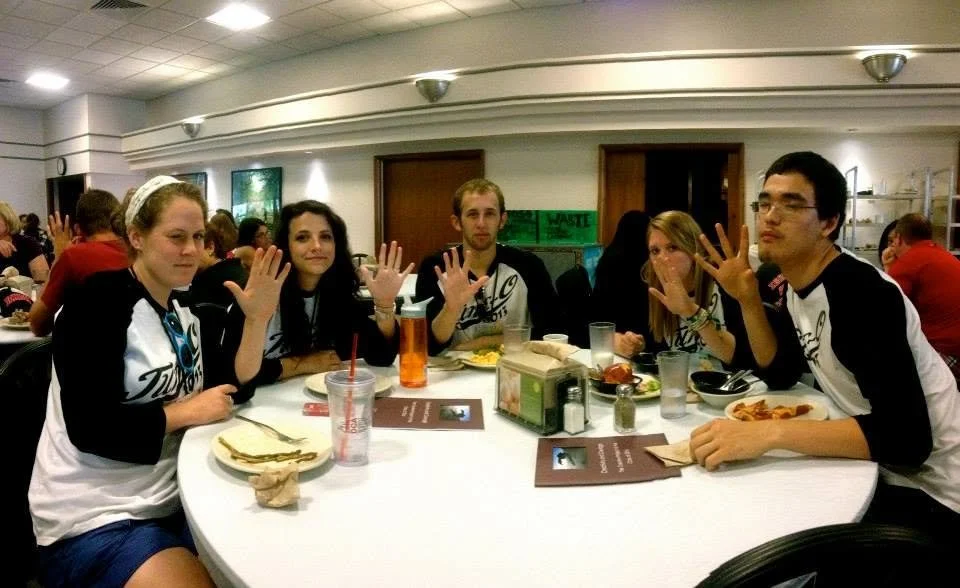
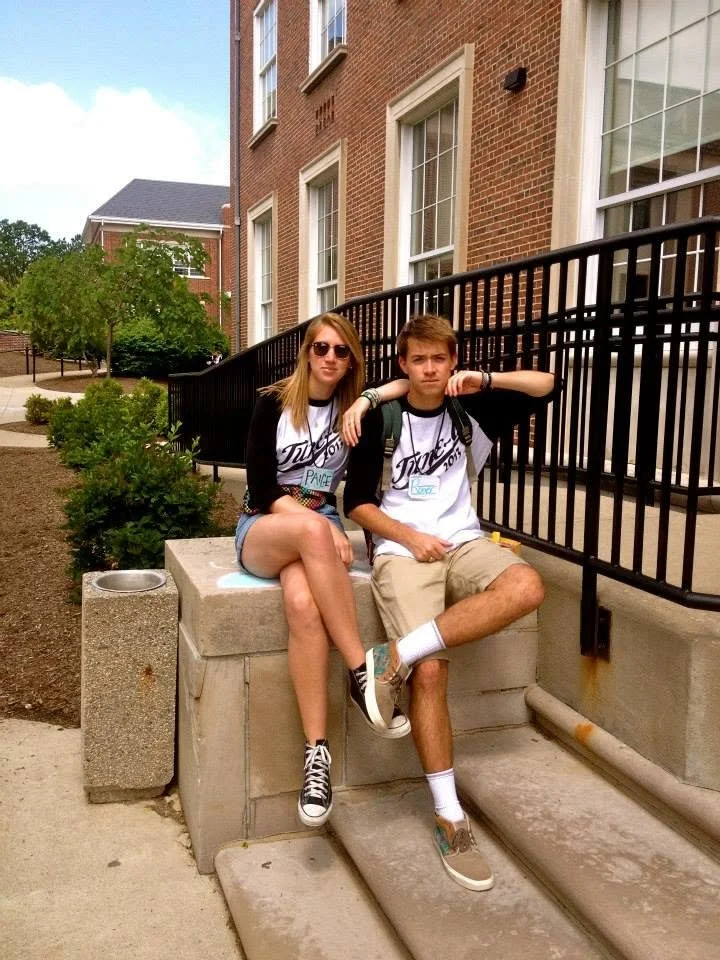
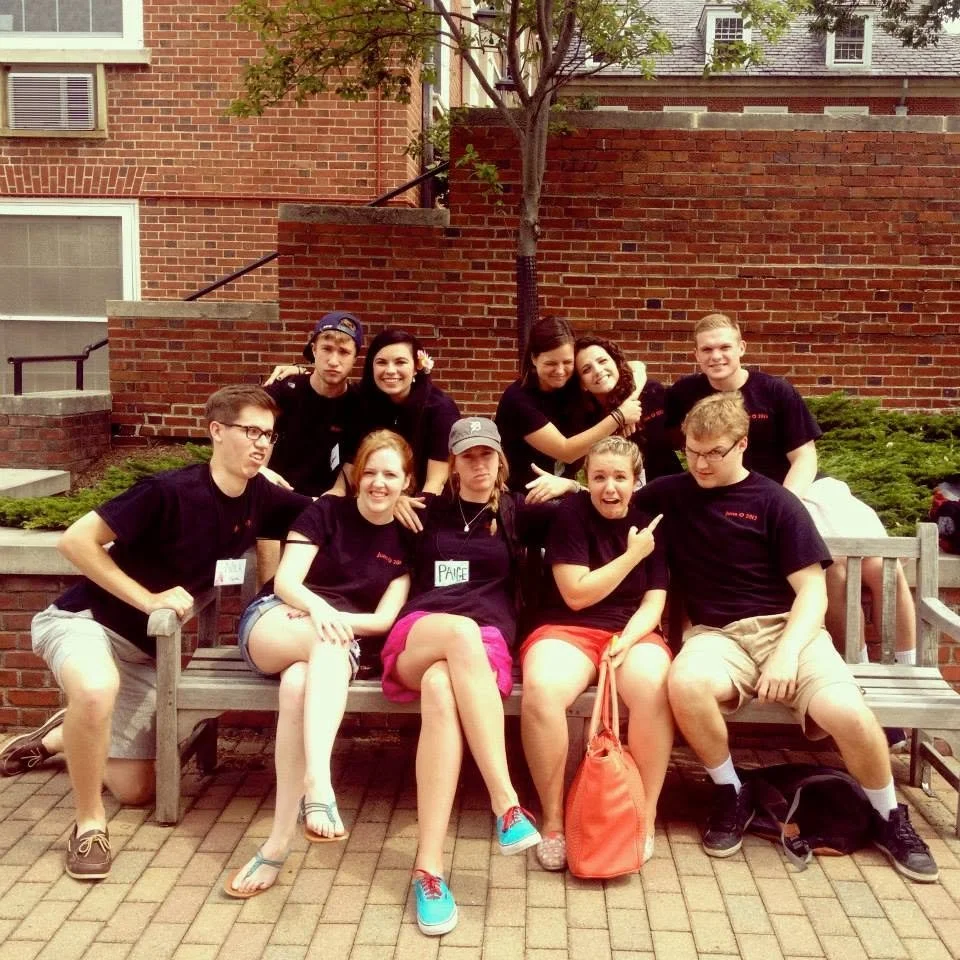
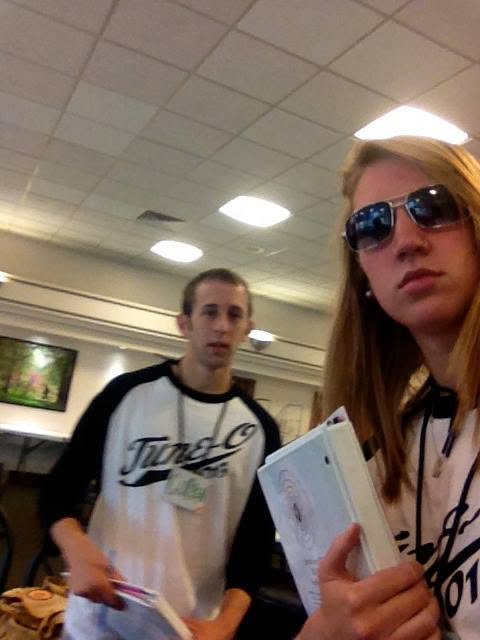
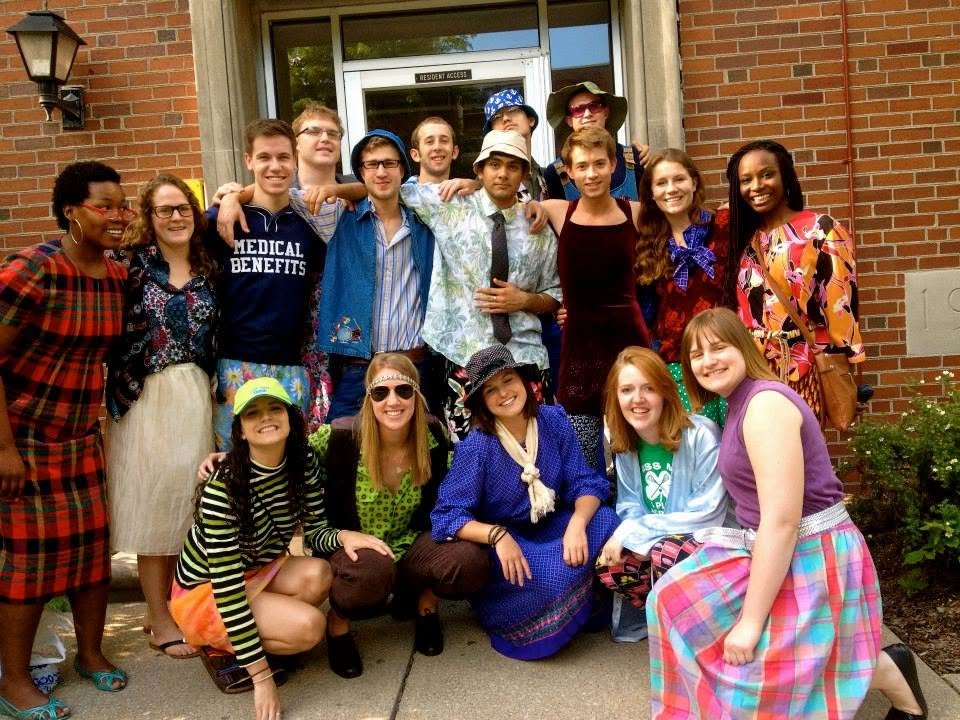
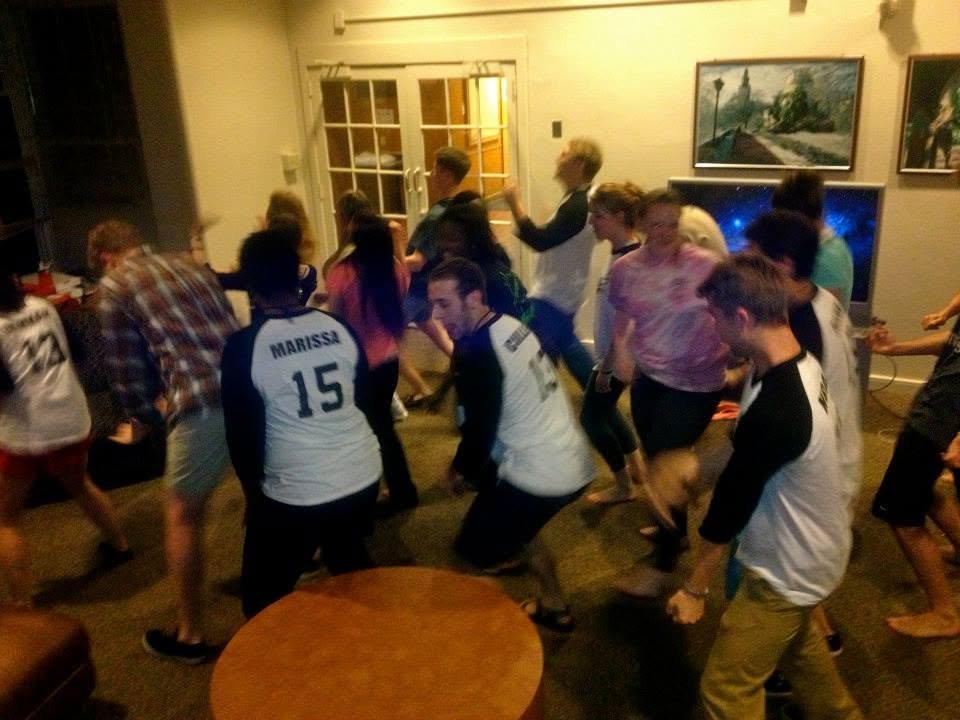
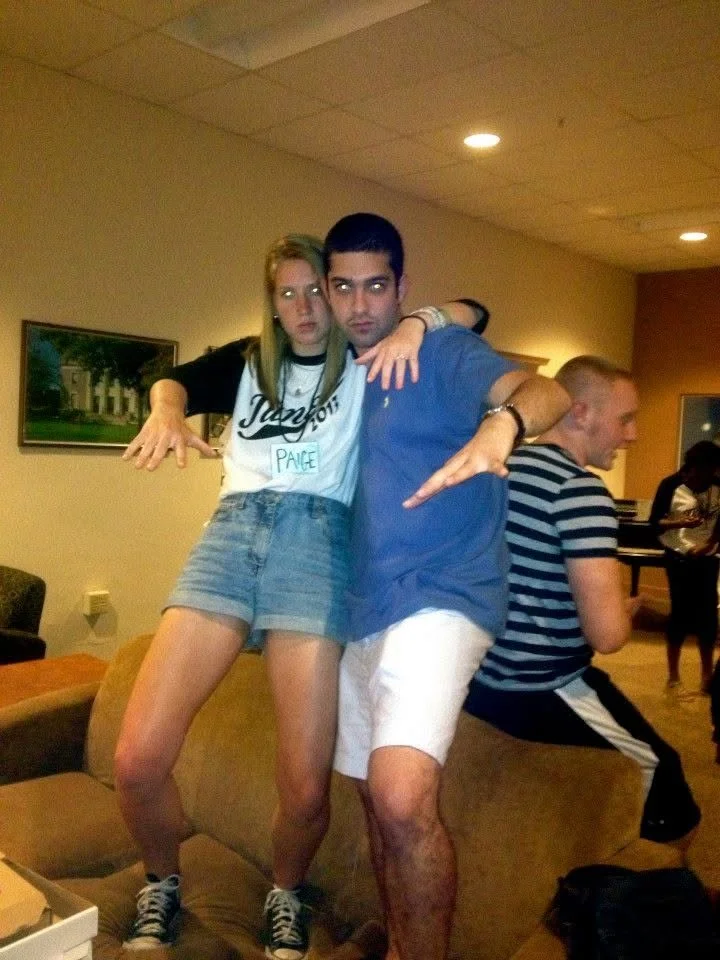
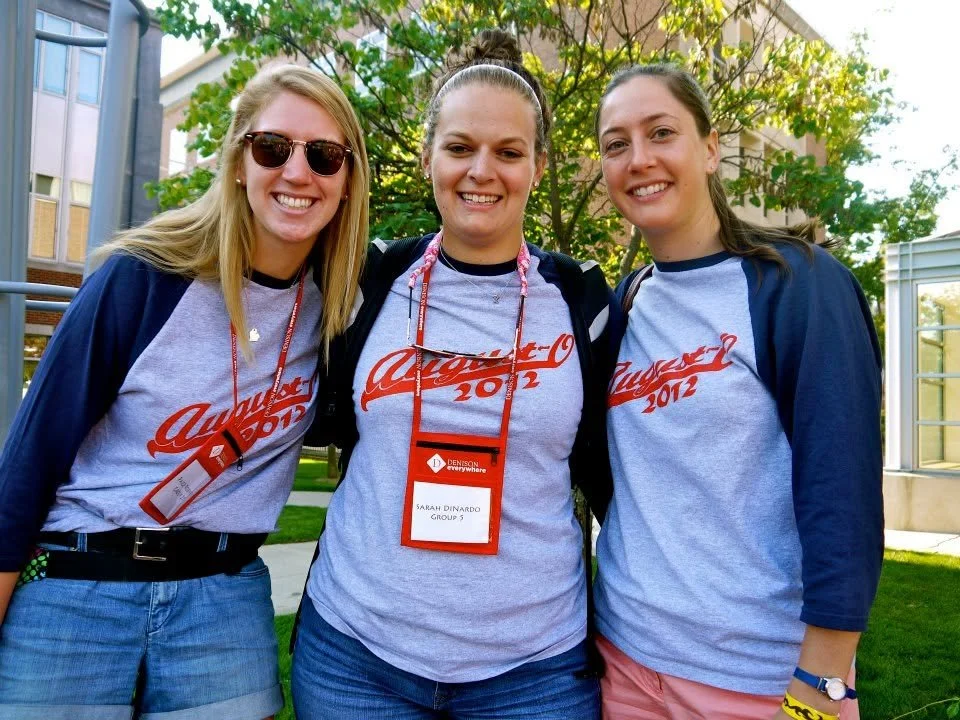
I didn't have the language for what made that experience so special then. Now, as an executive coach and leadership development strategist, I recognize three things that made these teams memorable:
Relationships. Structure facilitated authentic connections across difference. Before orientation, I spent most of my days with other athletes. The orientation team was one of the most diverse groups I’d ever been a part of. Orientation leaders came from every corner of campus: theater, student council, and everyone in between. The structured nature of our onboarding was where I learned how to build trust with different kinds of people. It’s also where I learned that trust requires more than just good intentions. You build trust by design.
Traditions. High-performing teams have them (the sillier, the better) because traditions build memory, and memory builds belonging. I was amazed by how many traditions this three-week program had. We each gave a speech about our Denison experience to incoming freshmen. We had an annual toga party. We had matching t-shirts. We dressed each other up in thrift store outfits. At the time, it all seemed small, even trivial. Looking back, I see it was strategy in disguise. My takeaway? Silly traditions are how culture sneaks in.
Joy. Being on a team should feel joyful. Playing basketball and serving as an orientation leader ruined me in the best way. My expectations of teammates and leaders are high because I know that structure and hard work can coexist with fun. When I entered the workforce, I unfortunately learned fast how rare that combination is. We spend too many hours each week working. Joy shouldn't be an afterthought. It should be the whole point.
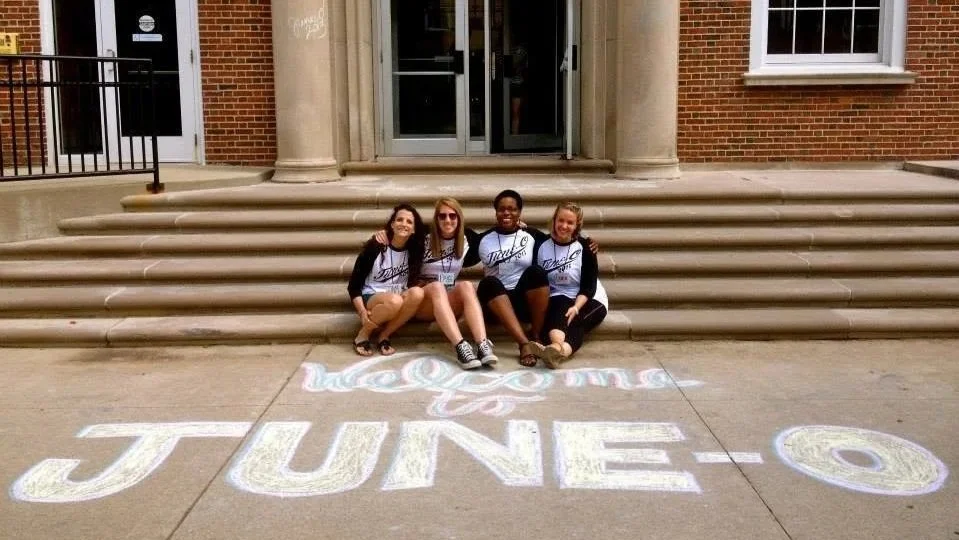
This brings me back to orientation at Ross. Watching our team build relationships, traditions, and joy this summer didn’t just feel familiar.
It felt like home.
GO BLUE!